(日本語版は↓ Japanese translation below)
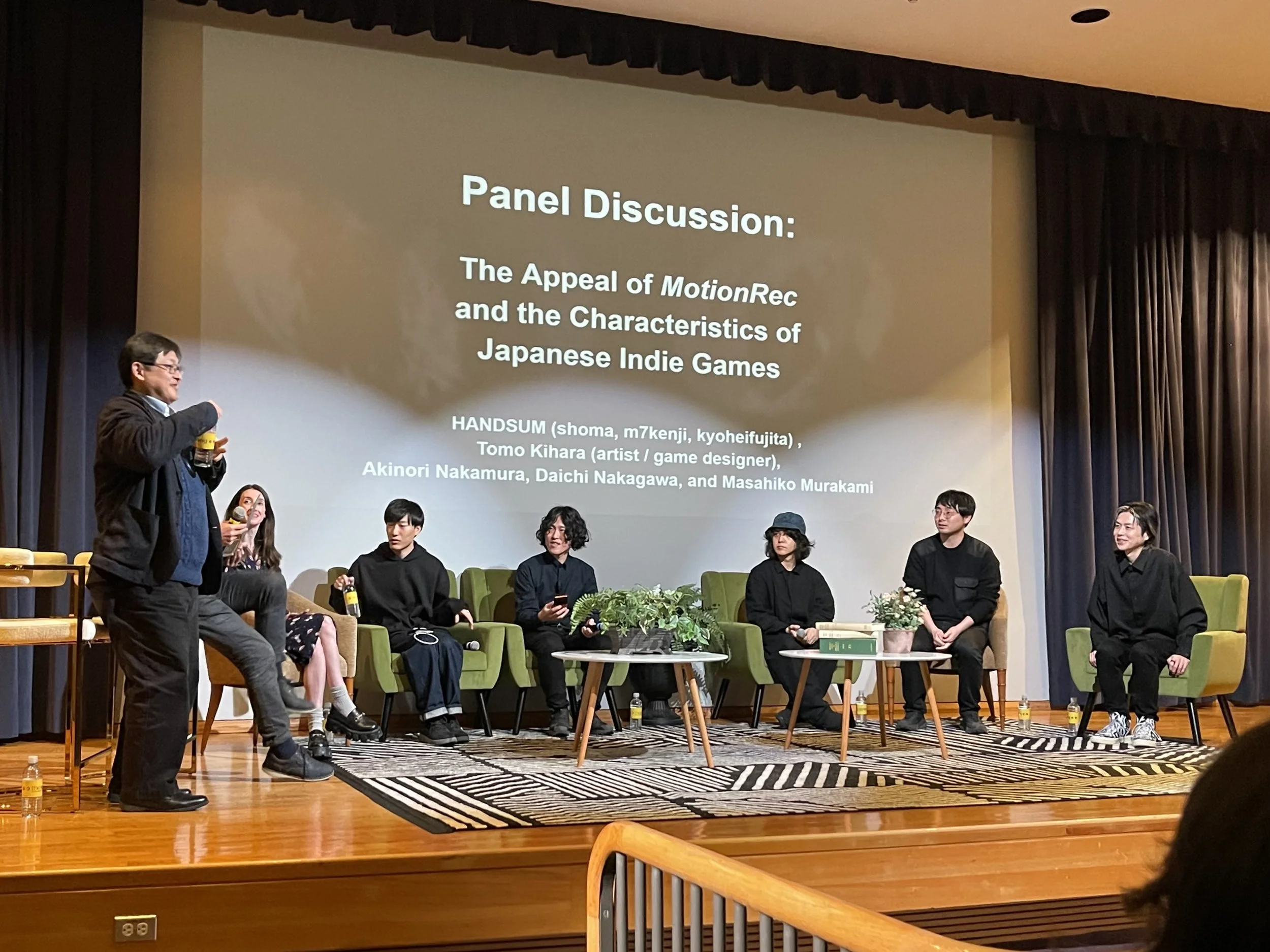
On February 27, I attended the grand opening of the Japanese Indie Games exhibit at The Strong National Museum of Play, organized in collaboration with the Ritsumeikan Center for Game Studies and the ars●bit project. Prior to the public opening, a special symposium took place with leading scholars, developers, and studio representatives to reflect on the history and future trajectory of Japanese indie games. The exhibit discussion, led by Daichi Nakagawa and Aki Nakamura, placed today’s indie games within a much longer history of experimental game culture in Japan, with Nakagawa highlighting how indie practices have long been woven into Japan’s broader media landscape (media mix). The exhibition itself, curated by Lindsey Kurano beautifully brought this history to life through a careful balance of archival materials.
Officially opened on February 27, 2026, the exhibit will run for three years, with featured games rotating annually from nominees of the prestigious Japanese Indie Game Awards. According to Nakagawa, one of the aims of “this exhibit is to discover the next generation of game creators”
A History Written by Hobbyists, Fans, and Visionaries
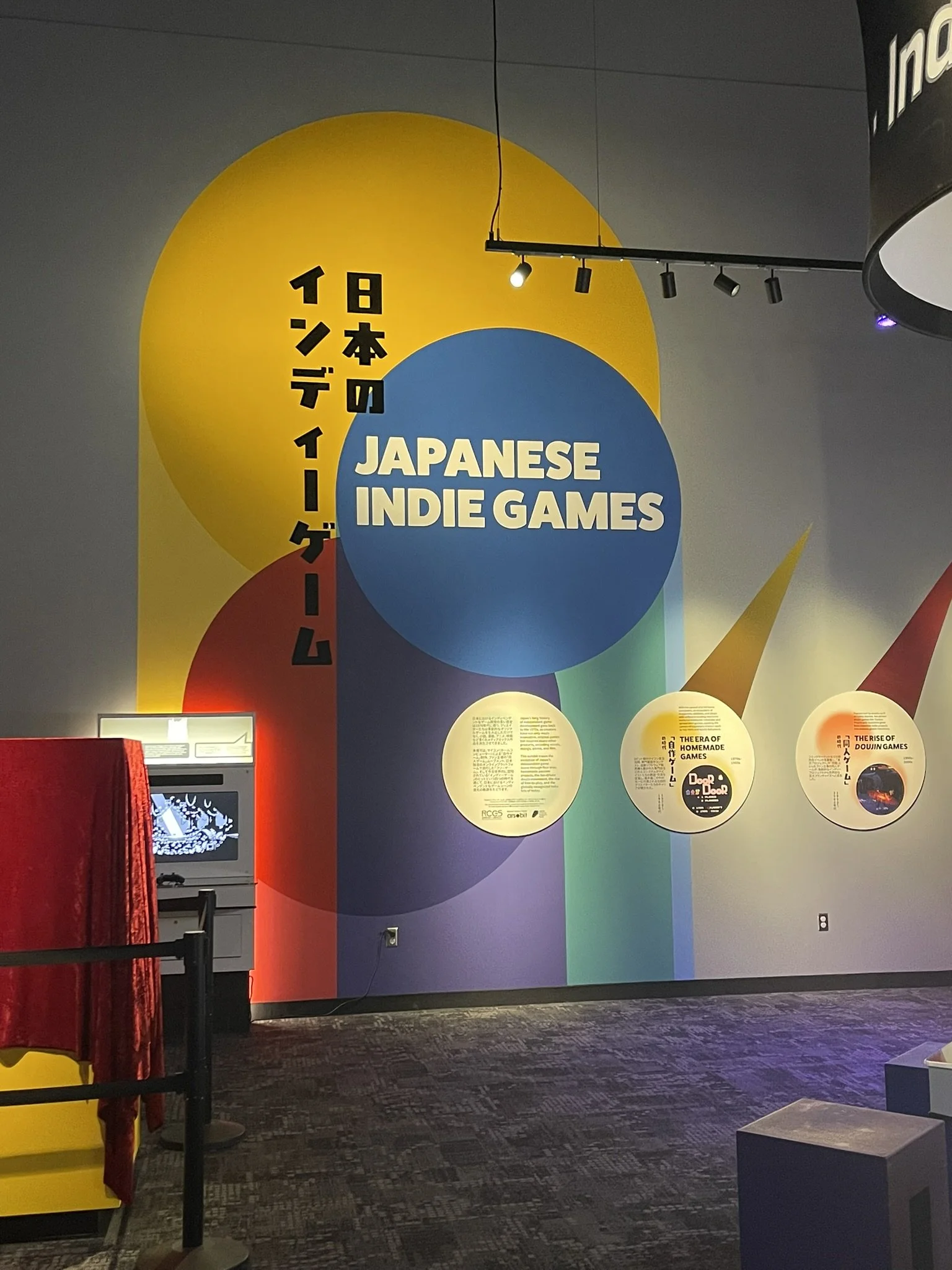
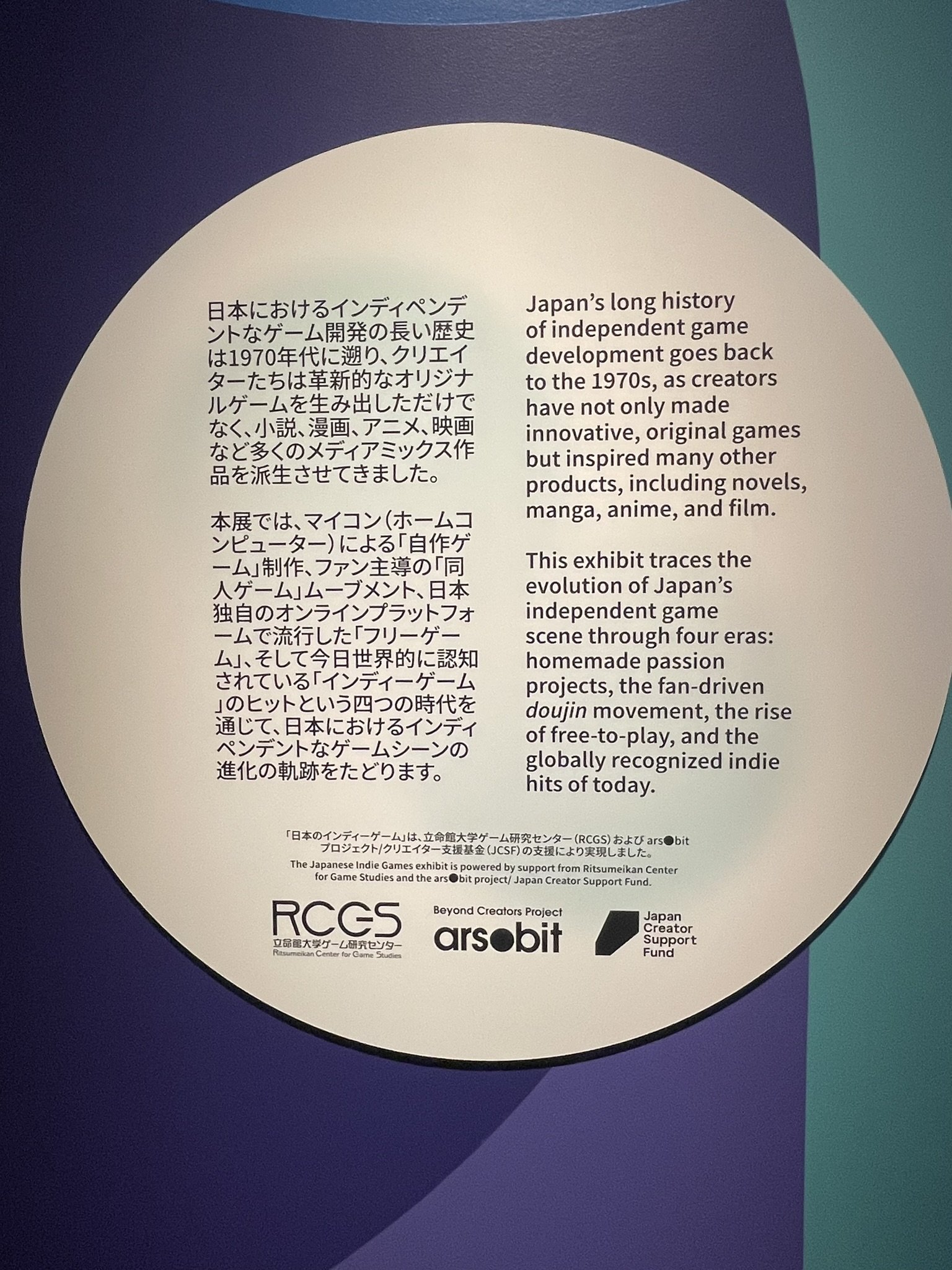
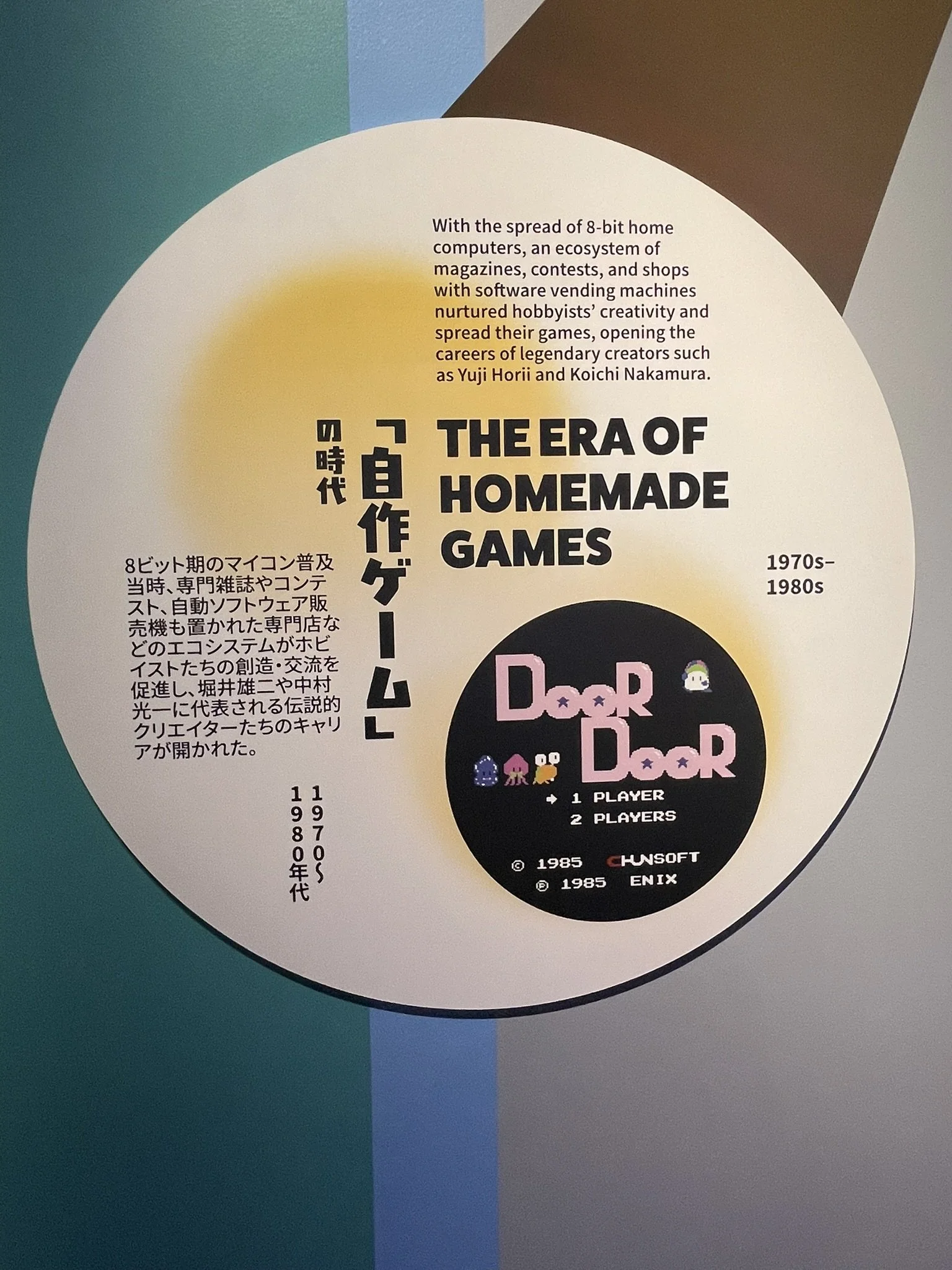
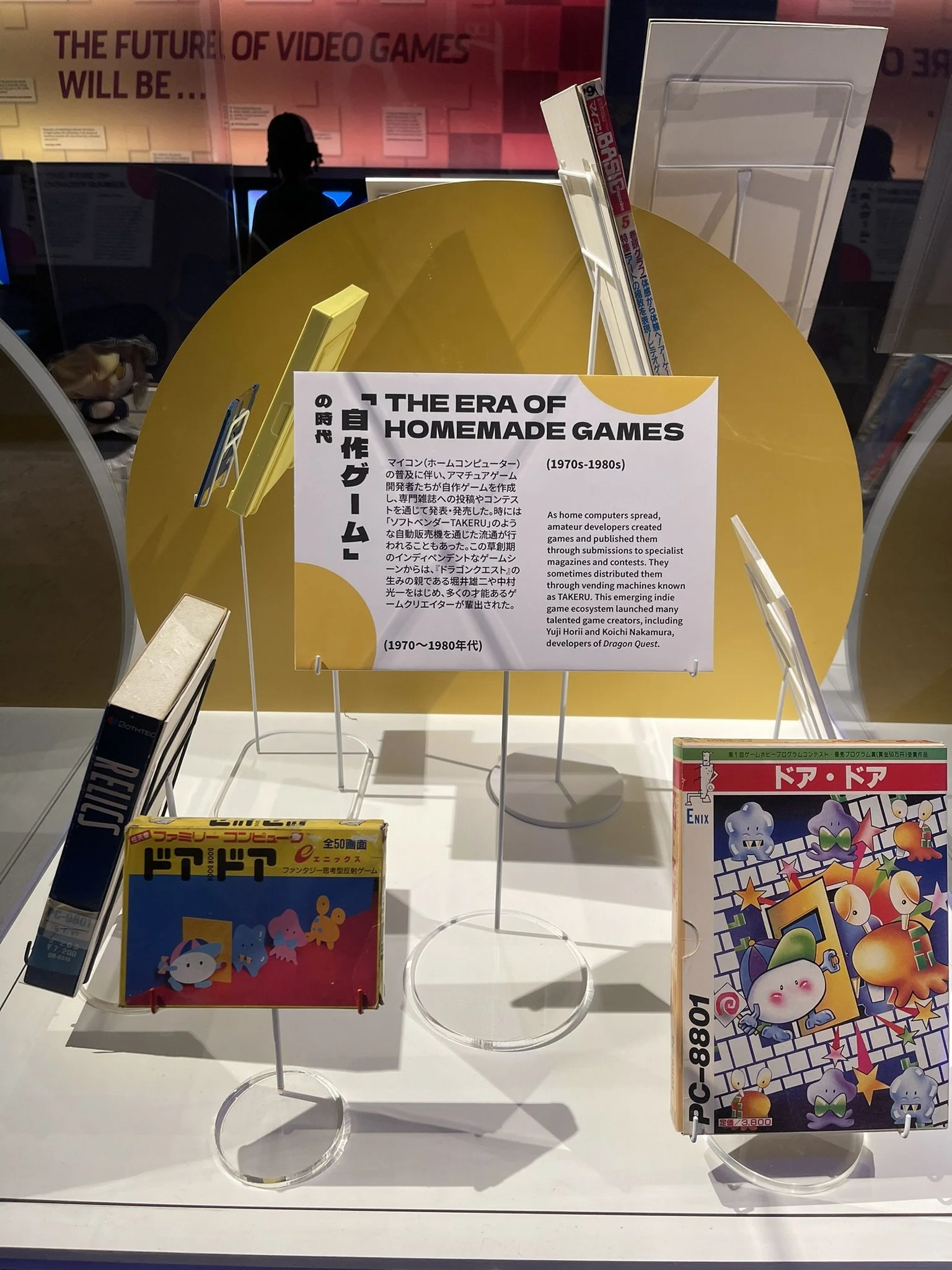
What struck me immediately was how deeply rooted the Japanese indie scene is, stretching all the way back to the 1970s, which is earlier than the indie movements in North America. This history, for me, reframes how we think about “indie” as a global phenomenon.
The exhibit is thoughtfully divided into two main sections:
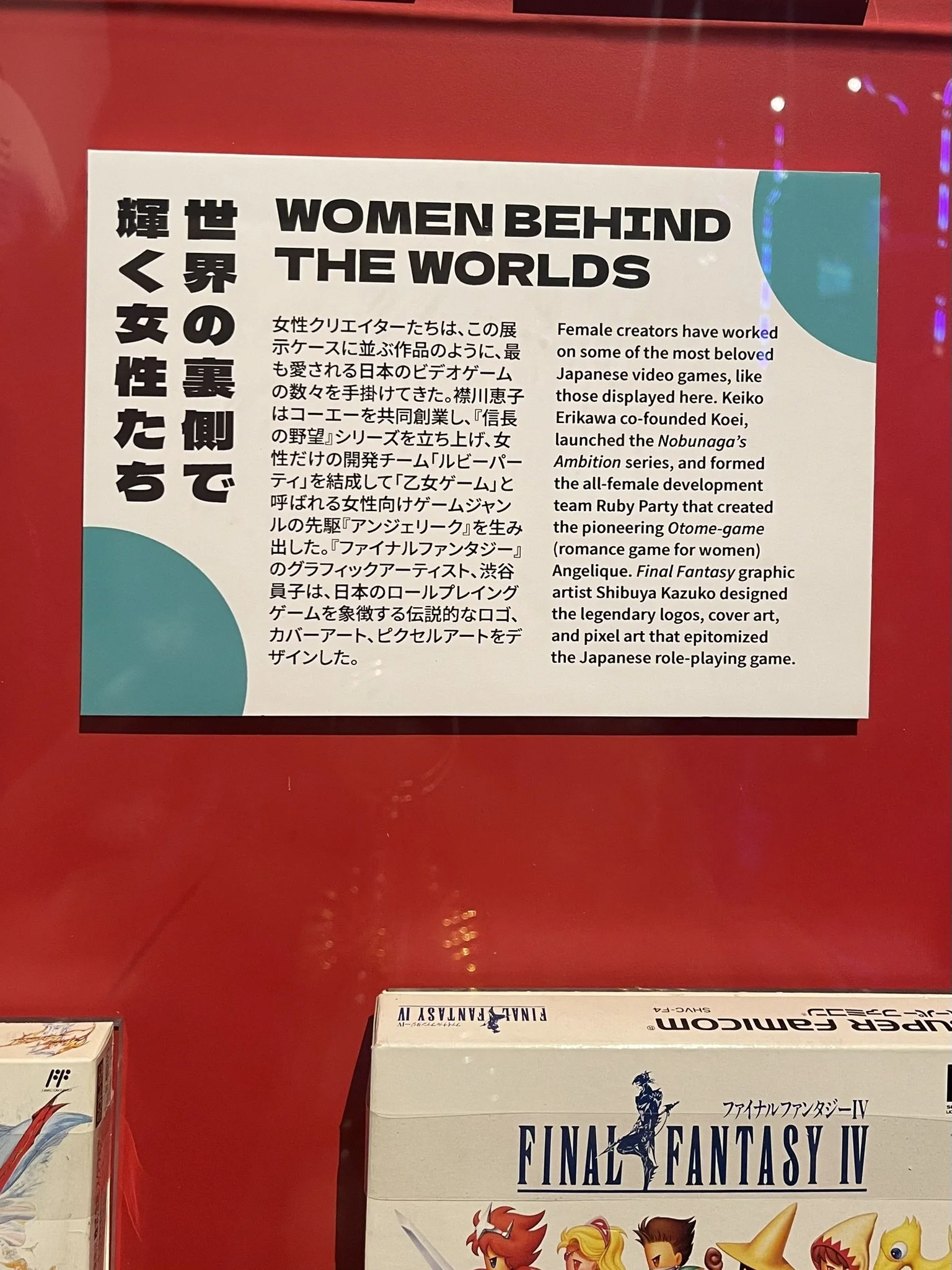
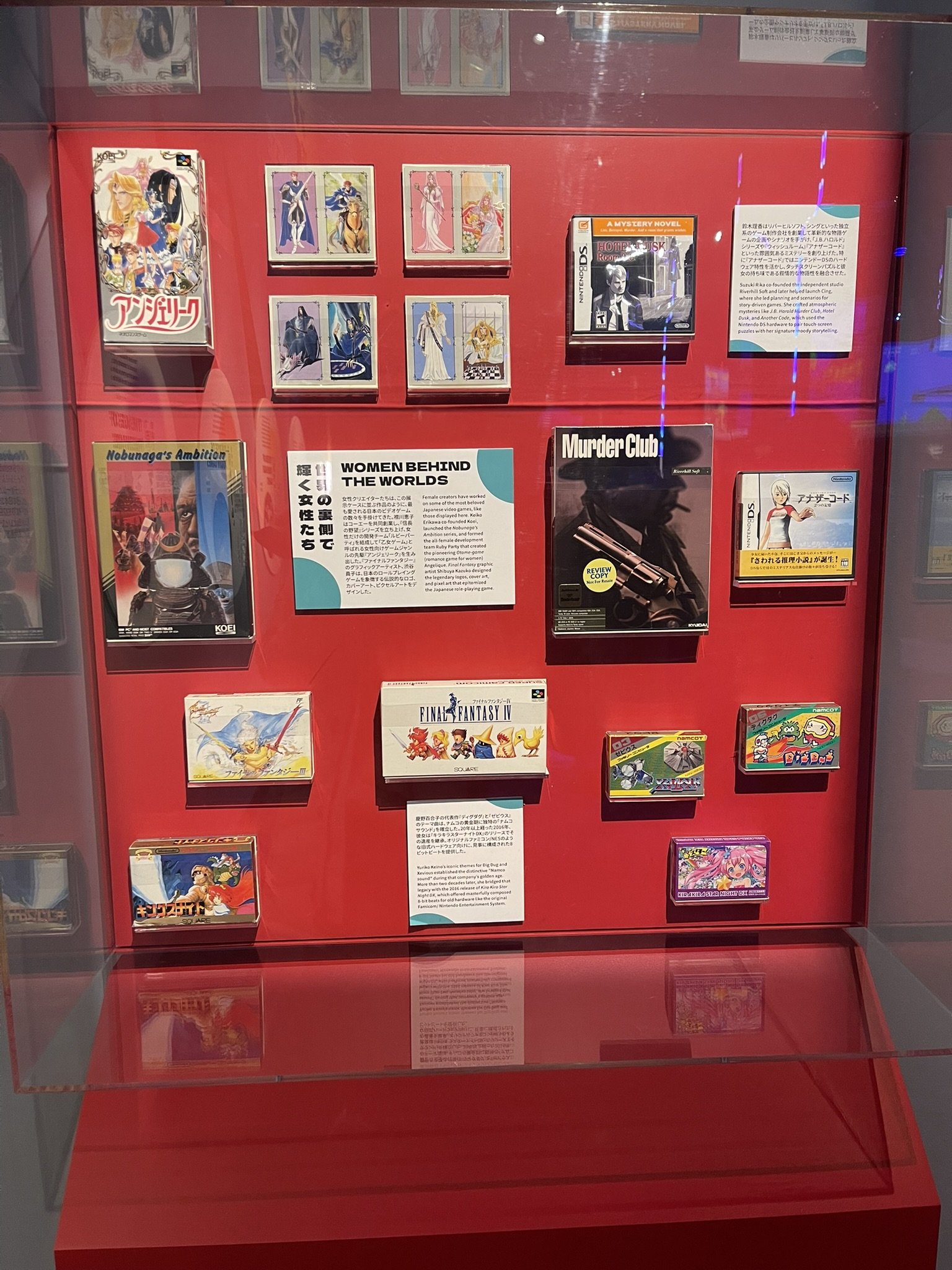
Historical Context & Artifacts – panel displays, archival materials, and artifacts tracing the development of Japanese indie games, including pioneering women creators! (How cool is that?!)
Playable ars●bit Selections – hands-on works selected by the ars●bit project and the Japanese Indie Game Awards.
(See here for more details)
The historical section is further organized into four major eras:
The Era of Homemade Games (1970s–1980s)
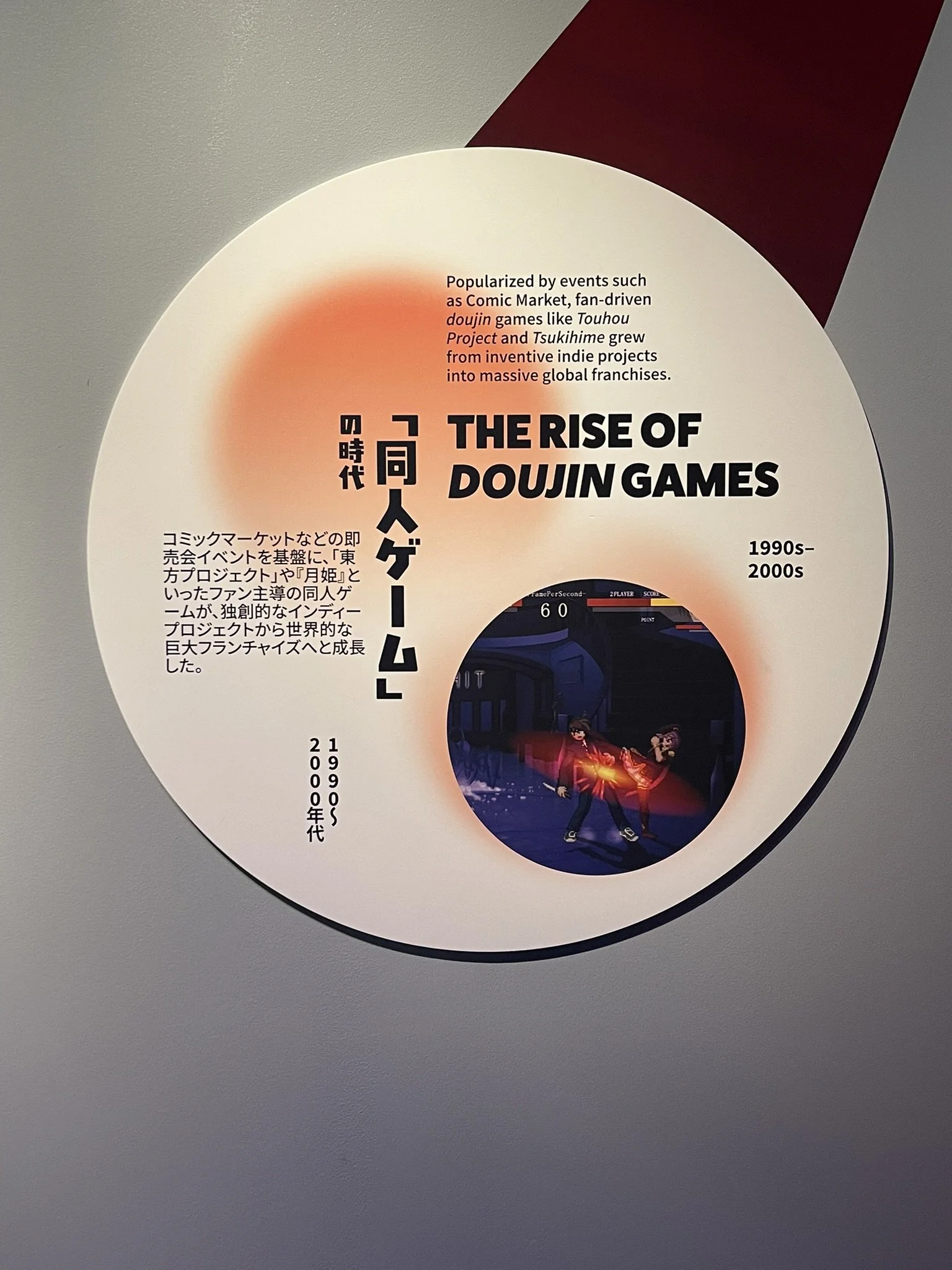
The Rise of Dōjin Games (1990s–2000s)
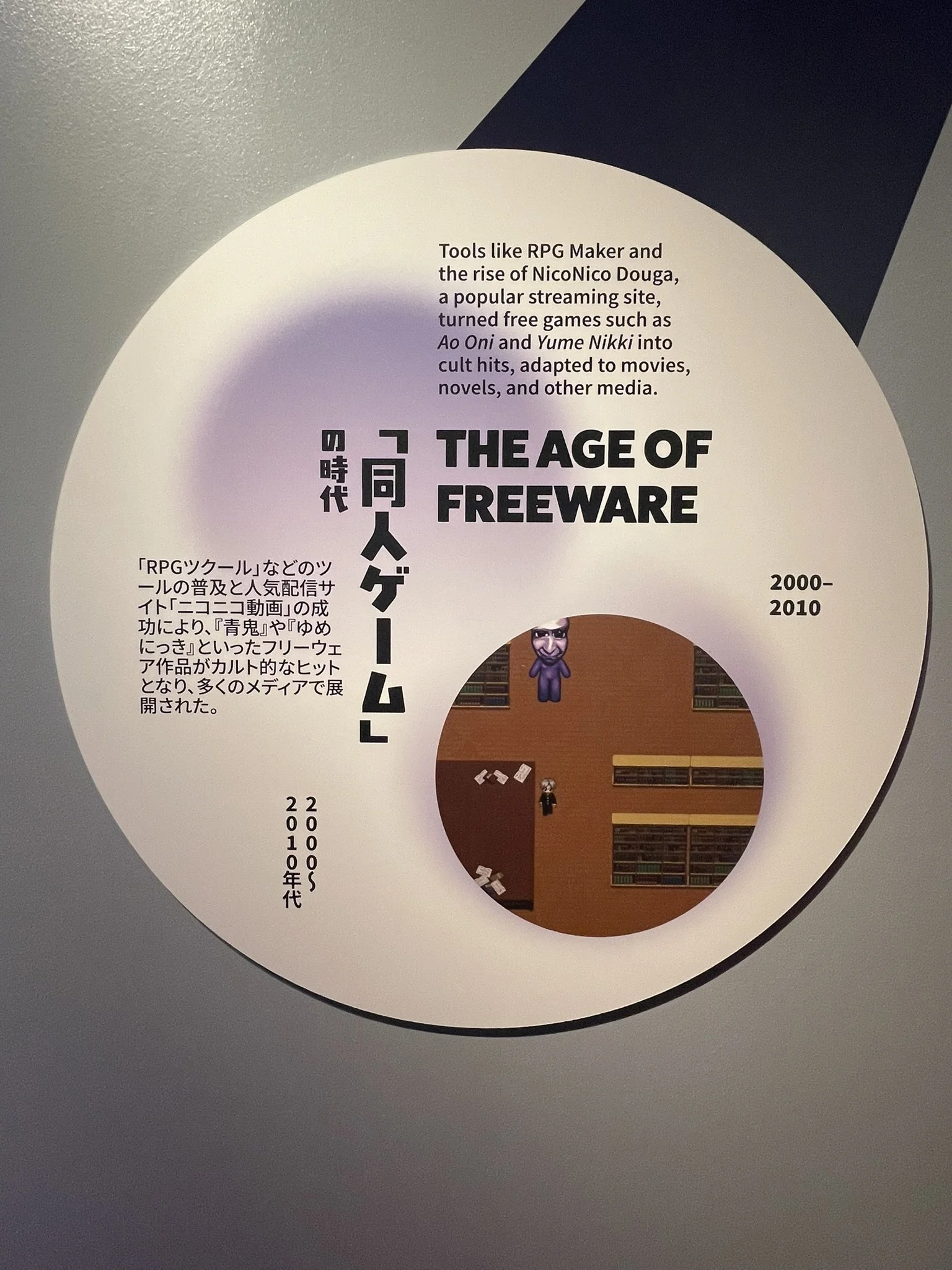
Freeware & Online Culture (2000–2010)
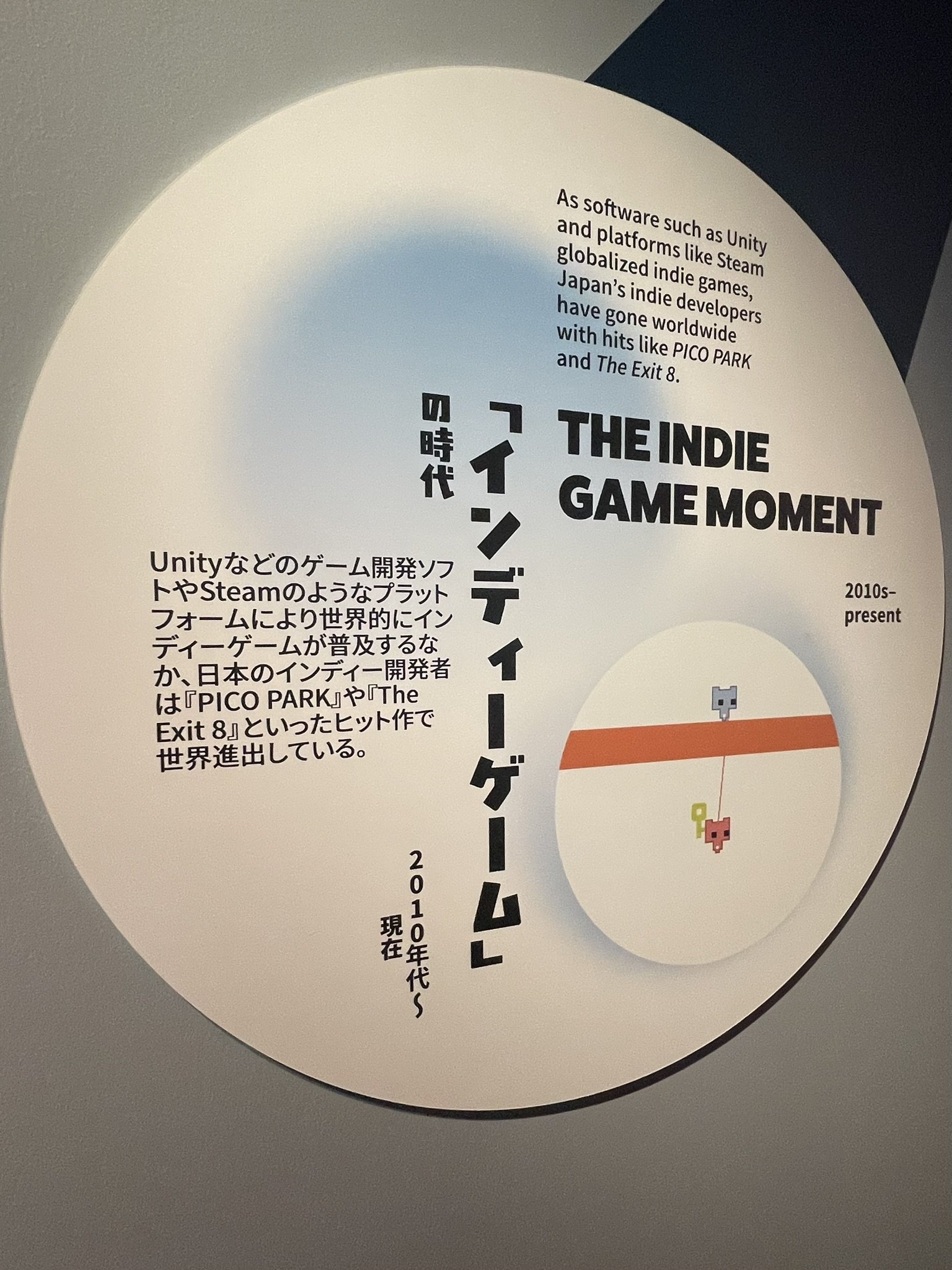
The Indie Game Moment (2010s–Present)
MotionRec and the “Universality of Play”
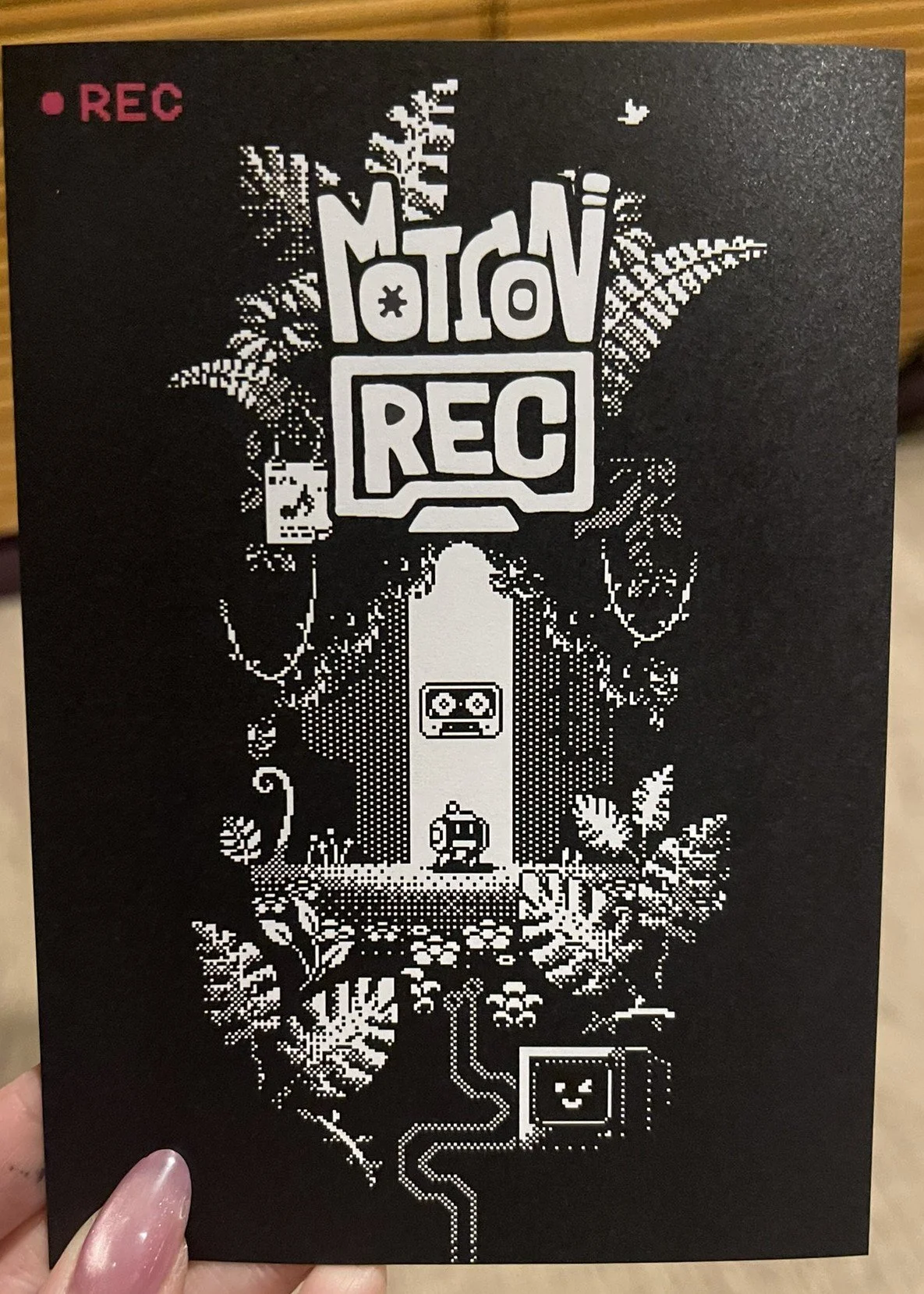
One of the highlights for me was the 2025 Japanese Indie Game Award selection: HANDSUM: MotionRec. The game emphasizes nonverbal interaction and intuitive bodily movement as core mechanics, and rather than relying on linguistic instruction, it invites players to understand through motion.
Learn more about the game on STEAM!
As someone who studies games critically, I was also especially intrigued by how this design approach resonates with disability studies and accessibility discourse. What does it mean to center nonverbal, embodied mechanics as a universal mode of play? Games like MotionRec might remind us that mechanics themselves can communicate, sometimes more effectively than words. I was also drawn to how the game’s concept originated from the image of a tape recorder reel, a powerful metaphor for preserving memories and lived experiences. Just as a reel records and replays fragments of sound, the game invites players to record, reenact and relive movement(s). It transforms the act of play into a kind of embodied archive, where memory is not only stored, but physically performed.
My favorite section (unsurprisingly) was the focus on women’s participation in Japanese indie game culture. The exhibit highlights pioneering female creators whose work shaped and expanded the field. I strongly encourage readers to explore this section (and the photos accompanying this blog post). It offers a vital corrective to a narrative history that too often renders women invisible.
The unveiling of “Women Behind the Worlds”
Beyond the Exhibit: Playing the Detective
The Strong never disappoints! In addition to the Japanese Indie Games exhibit, I wandered through:
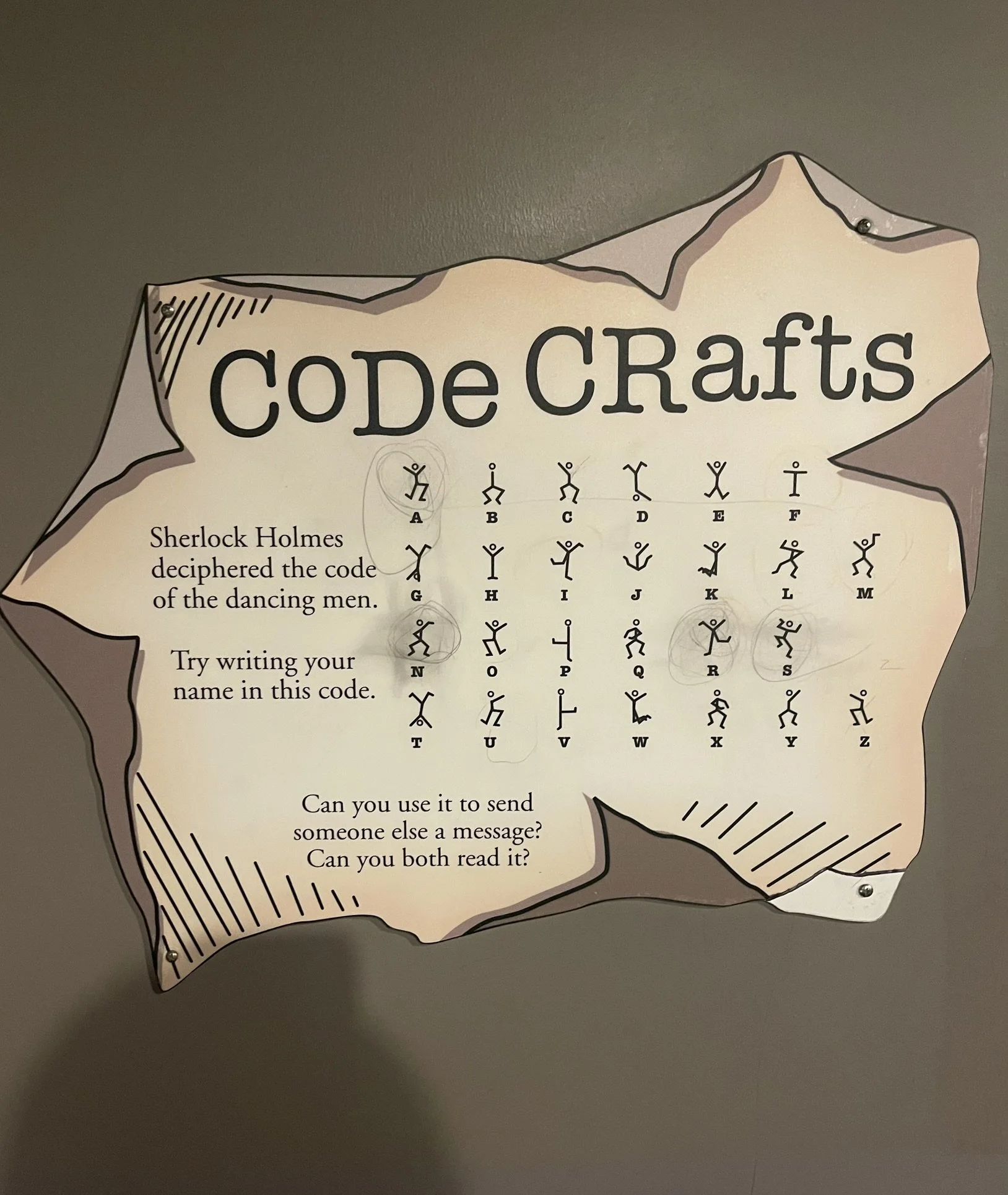
A mystery games section, which would be such a delight for a Sherlockian at heart
A new marble exhibit
The tactile and slightly “gross!” Grossology section, where visitors learn about bodily functions through interactive play
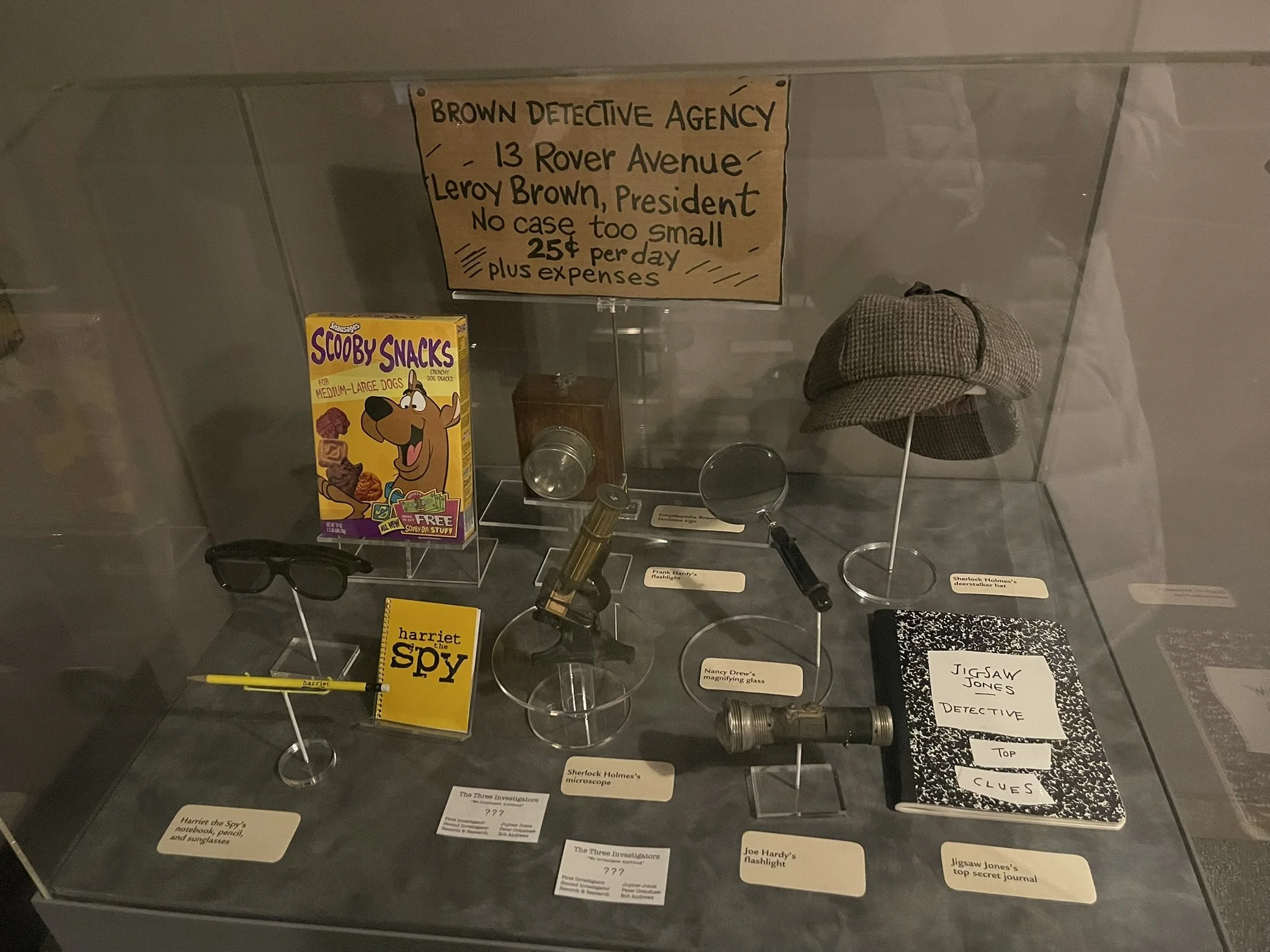
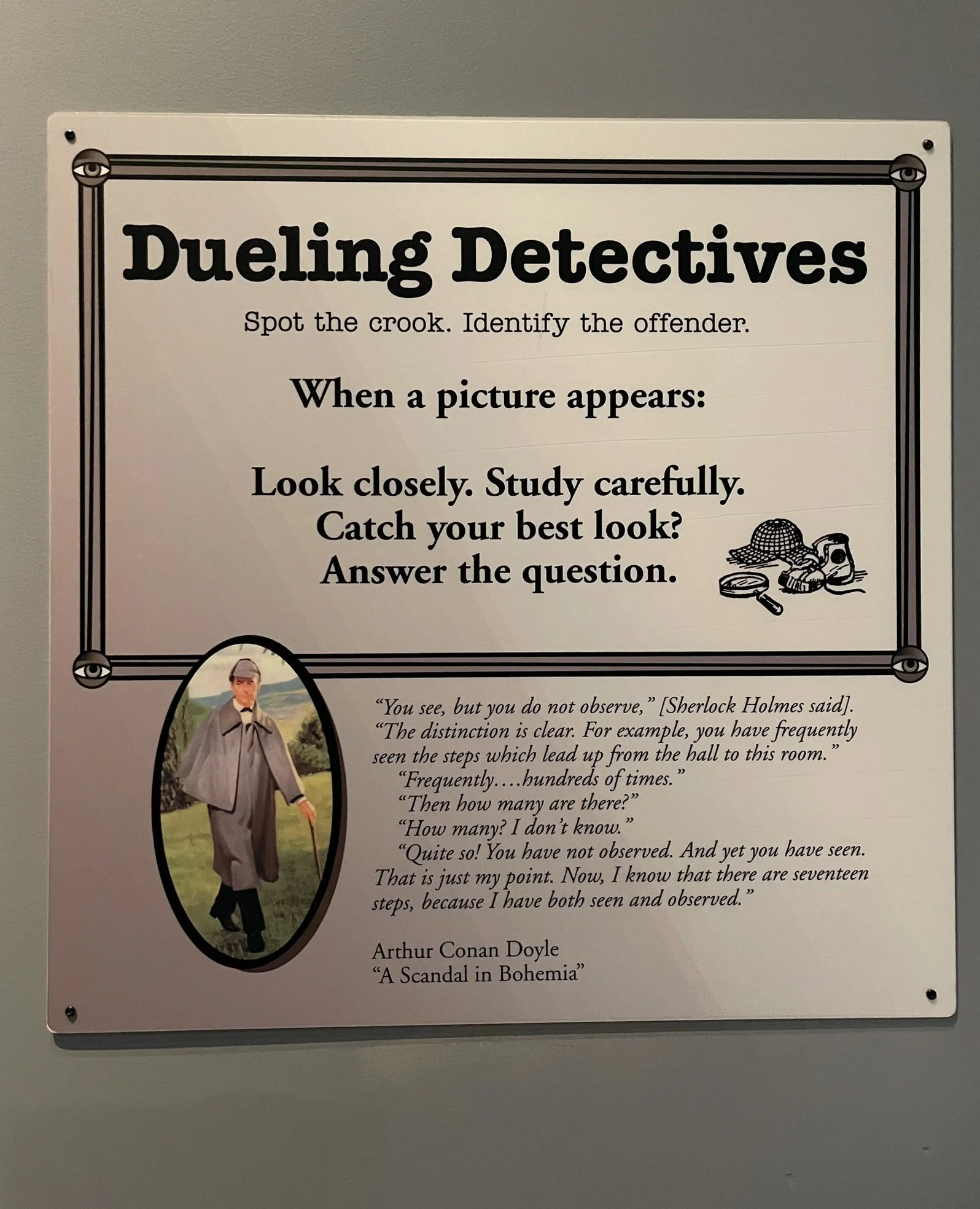
The museum remains a rare space that bridges children, families, developers, and game scholars alike. If you have any interest in games, whether as a scholar, developer, student, or curious visitor, I highly recommend visiting The Strong sometime in the next three years.
Ultimately, the Japanese Indie Exhibit reminds us that indie games are not just a genre or a market category, they are a cultural movement rooted in community, experimentation and the joy of play!
I can’t wait to see what exhibits are curated next!
I will definitely be back!!
日本語版:ストロング国立遊戯博物館「Japanese Indie Games」展に行ってきました
2月27日、私はニューヨーク州ロチェスターにある The Strong National Museum of Playで開催され「Japanese Indie Games」展のオープニングに参加しました。本展示は、立命館大学ゲーム研究センターおよびars●bitプロジェクトとの共同企画です。
一般公開に先立ち、研究者、開発者、スタジオ関係者らによる特別シンポジウムも開催され、日本のインディーゲームの歴史と今後の展望について議論が行われました。中川大地さんと中村彰憲さんによる展示トークでは、現代のインディーゲームを、日本における実験的ゲーム文化のより長い歴史の中に位置づける視点が示されました。特に、インディーの実践が日本のより広範なメディア環境(いわゆるメディアミックス)の中に長年織り込まれてきたことを強調されていました。展示は、キュレーターのリンジー・クラノさんによって構成され、アーカイブ資料を丁寧に組み合わせることで、この歴史を生き生きと体感できる内容となっていると思います。
本展示は2026年2月27日に正式オープンし、今後3年間にわたり開催される予定です。中川さんによると、この展示の目的の一つは「次世代のゲームクリエイターを発見すること」だそうで、過去を振り返るだけでなく、未来へと開かれた企画になっています。
ホビイとファン、そして先駆者たちが紡いできた歴史
私が特に印象的だったのは、日本のインディーシーンが1970年代にまでさかのぼるという点です。北米のインディームーブメントよりも早い時期から、すでに独自の文化が形成されていたというのは驚きでした。この歴史を知ることで、「インディー」という言葉をもっとグローバルな視点で考え直す必要があると感じました。
展示は大きく二つに分かれています。
歴史展示・アーカイブ資料:パネルや資料を通して、日本のインディーゲームの発展をたどります。特に嬉しかったのは、女性クリエイターの先駆的な活躍もしっかり紹介されていたこと!(こういう視点、めっちゃ大事ですよね!)
ars●bitセレクション(実際に遊べる作品):ars●bitプロジェクトや日本インディーゲームアワードで選ばれた作品を実際にプレイできます。
歴史パートはさらに、
1970〜80年代:自作ゲームの時代
1990〜2000年代:同人ゲームの台頭
2000〜2010年代:フリーゲームとオンライン文化
2010年代以降:本格的インディーの時代
という4つの時代に分けて紹介されていました。
MotionRecと「身体で遊ぶ」ということについて
私にとってのハイライトは、2025年日本インディーゲームアワード選出作品HANDSUM: MotionRecでした。このゲームは、言葉に頼らず、身体の動きそのものを通して理解していく設計になっています。テキストで説明するのではなく、「動いてみることで分かる」ゲームなんです!
ゲーム研究をしている立場から見ると、これは障害学やアクセシビリティの議論とも深く響き合うアプローチだと感じました。非言語的で身体的なメカニクスを、より普遍的な遊びの形として中心に置くことは何を意味するのか。メカニクスそのものが言葉以上に語ることもある、という可能性を示しているように思いました。
さらに印象的だったのは、この作品のコンセプトが「テープレコーダー」から始まったという点です。リールが音を録音・再生するように、このゲームも動きを“記録し、再演し思い出す。遊ぶこと自体が、身体を通したアーカイブになる――そんな感覚がありました。
でも、やはり個人的に一番心に残ったのは、日本のインディーゲームにおける女性の参加と貢献を紹介するセクションです。これまで見えにくかった歴史に光を当てる、とても意義深い展示でした。ぜひ写真と一緒にじっくり見ていただきたい部分です。
展示以外も楽しかったよ!
Japanese Indie Games展のほかにも、
ミステリーゲームのコーナー(シャーロキアンには最高!)
新しいマーブル(ビー玉)展示
ちょっと「グロい!」ってなるけど面白いGrossologyコーナー(身体の仕組みを体験型で学べます!)
など、ストロングは本当に何度行っても楽しい場所です。
子どもや家族連れはもちろん、開発者や研究者にとっても刺激的な空間。遊びとアーカイブが自然に共存している、貴重なミュージアムだと思います。インディーゲームは単なるジャンルや市場カテゴリーではなく、コミュニティ、実験精神、そして遊びの喜びに根ざした文化運動なのだと、改めて実感しました。
次はどんな展示が企画されるのか、今から楽しみです!!
また近いうちに行けたらいいなぁ~と思っています♡