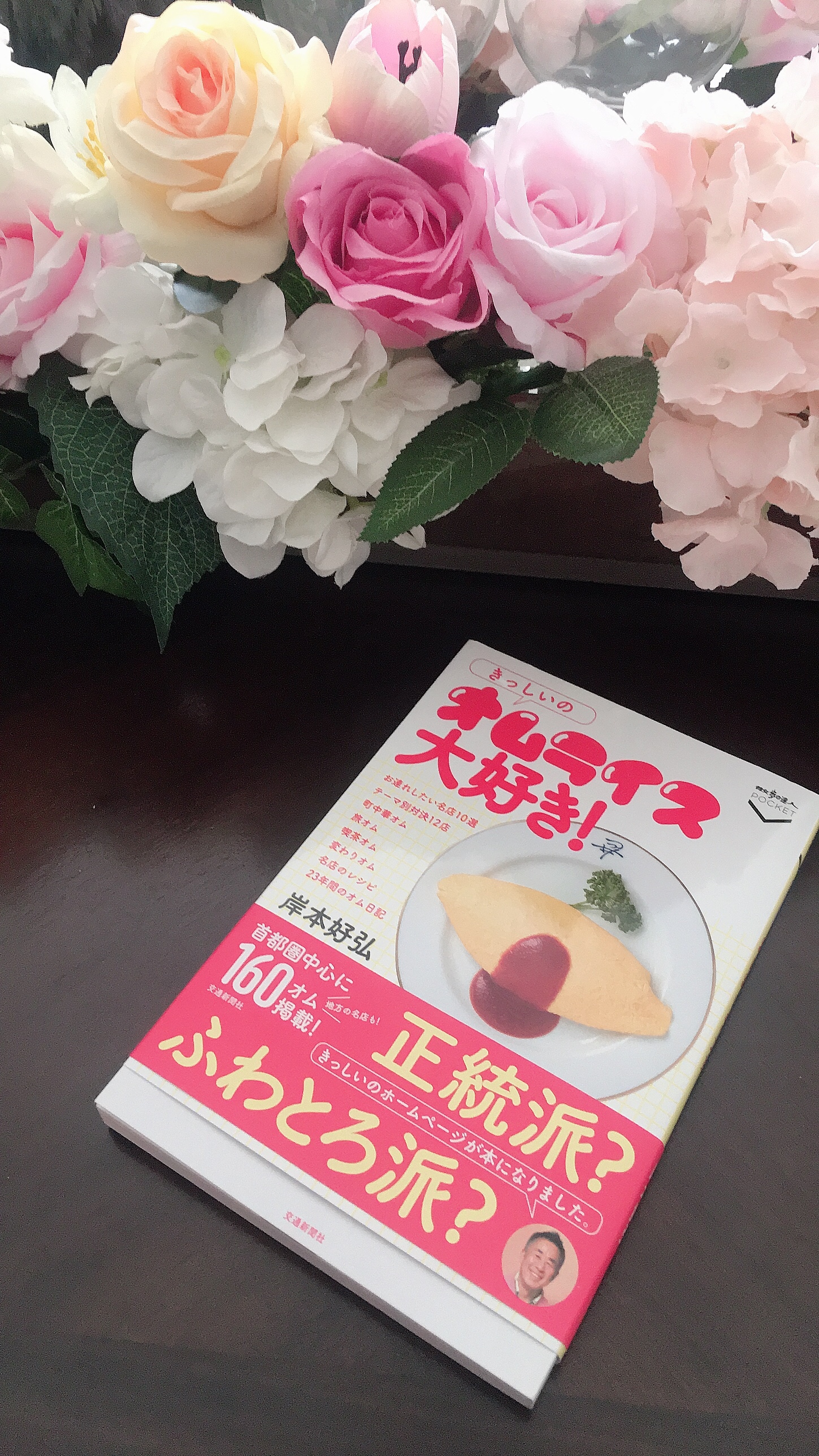
Top 10 Places for Omurice in Japan: A Book Review of “Kissy’s I Love Omurice” by Mimi Okabe

IMG_5072.JPG

What’s yellow, red , and light as a cloud?

I’ll pretend that everyone guessed omurice… (^ o ^)

On March 19, 2019, Yoshihiro Kishimoto (who also goes by the name Kissy pronounced kisshī) published a book titled Kissy’s I Love Omurice! (kisshīno Omuraisu Daisuki) that commemorates his gastronomic, self-guided omurice journey for the past 23 years and counting! For those who don’t know what omurice is, click on this link (they say a picture is worth a thousand words).

Based on Kissy’s blog that he started in 1996, which has archived more than 1300 omurice dishes that he had eaten across Japan (and abroad), the book offers a glimpse into Kissy’s world as it features 160 kinds omurice (within a span of 127 pages) that you can find in restaurants across Tokyo, Japan.
About the Book

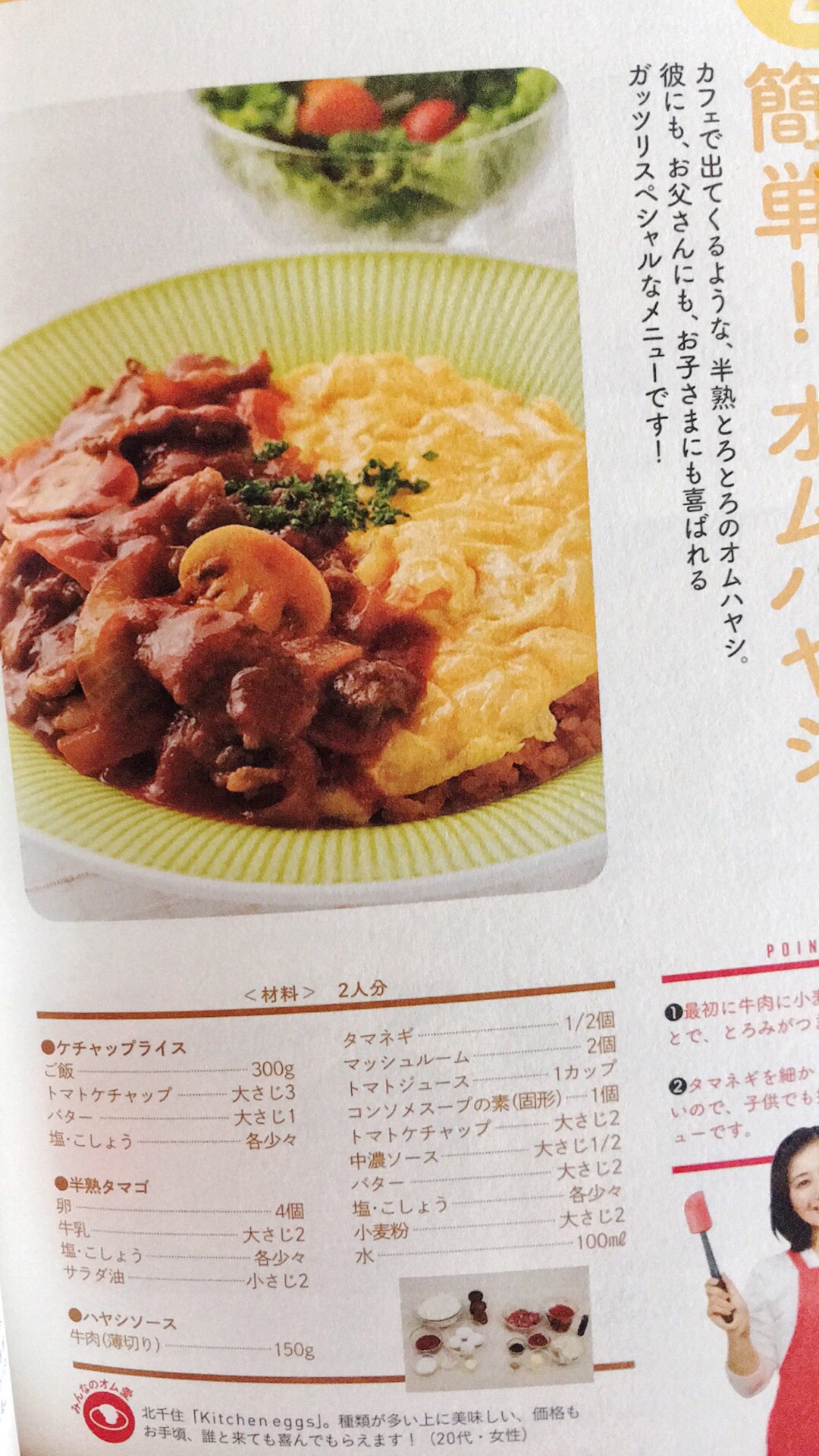
This book is filled with bright, colorful images of omurice that’ll tease your appetite and make you  regret that you’re not in Japan. So, before you book that flight, let’s go through what the book has to offer first. Chapter 1 titled “Omu-guide” begins by taking readers on a delectable tour of Kissy’s top ten restaurants, which is followed by a series of journal-like entries that document other places he’s eaten at. In this section, you’ll be surprised at just how many different types of omurice there are in Japan! In fact, according to the classification table created by omurice-guru Kissy, there are a total of 27 different flavor/texture combinations for omurice! (See page 89 for details!). Chapter 2 covers the basics of omurice (consider it like a crash course OMURICE 101). You’ll gain insight about the 100 year-old-history of omurice culture in Japan and how it changed across time. You’ll learn what distinguishes omurice from other popular Japanese food that use eggs and rice as mains such as tenshinhan and chakin sushi, as well as, the differences between omurice in Japan vs. abroad.

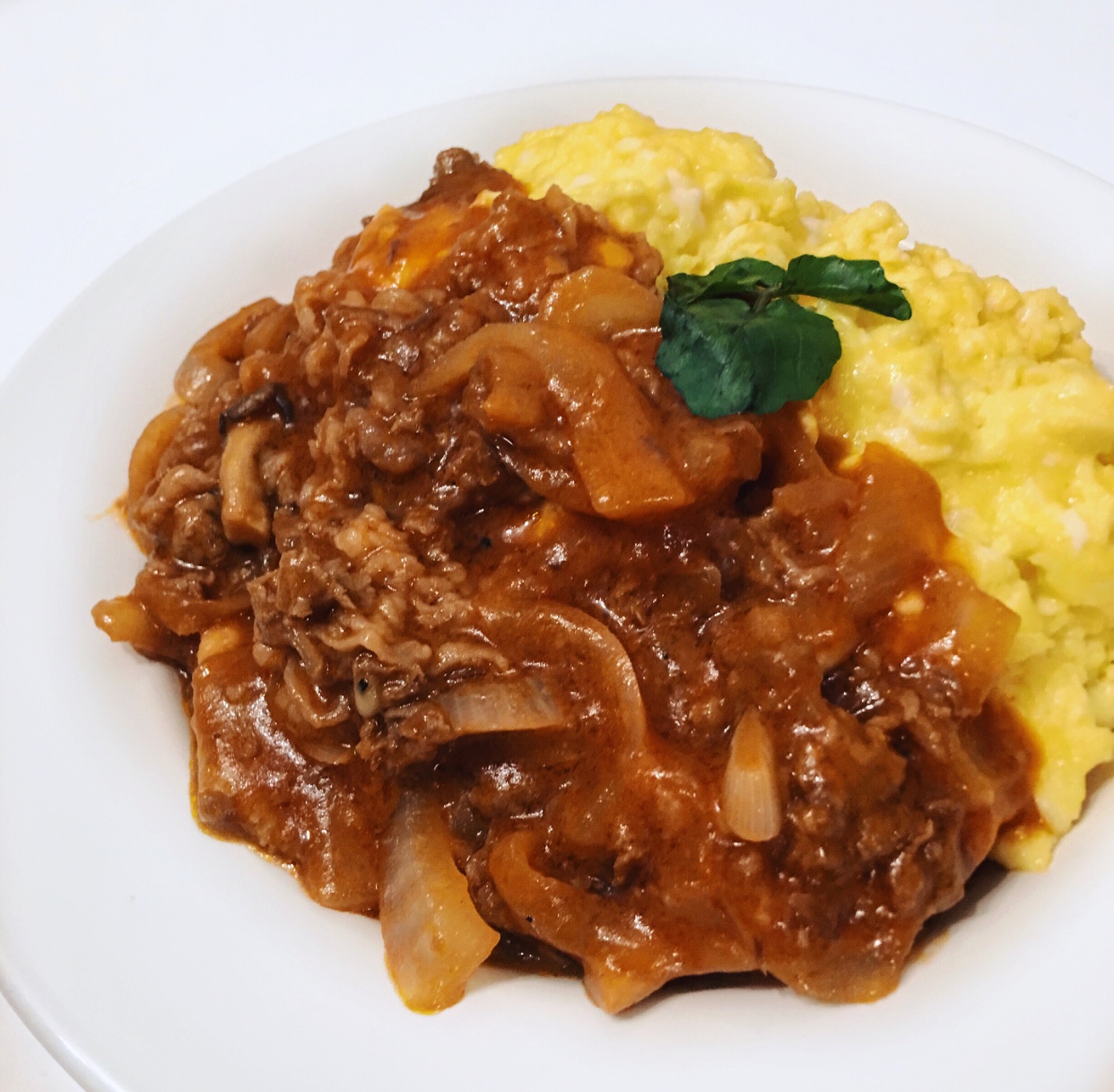
One of the most interesting segments of this chapter is the interview between Kissy and Satomi Era from Teikyō Heisei University where they discuss the psychology behind colors to understand why people are drawn to omurice. According to Era, “the reason why adults find omurice appealing to eat is because the yellow and red color scheme evokes a sense of nostalgia and, specifically, feelings of love that have been imprinted in our minds since we were babies.” (Who knew?!) Lastly, chapter 3 titled “Omu-recipes” provides 3 fun recipes that you can try out yourself and practice until you become an omurice master! (Omurice looks easy to make! But it requires some skill and technique!). I tired making the omu-hayashi, which is a combination of omurice and hayashi rice—a tomato based sauce with thin slices of beef—kind of like a curry. The egg was so hard to perfect T^T but it turned out very tasty!!

Overall, while this book seems playful and fun on the surface, it’s informative and useful. It’s also a book that contains lots of love (as if you couldn’t tell by the title by now). According to Kissy, he envisions a future where omurice will join the ranks of sushi and rāmen on a global scale where one day people will become so familiar with it and say “Of course, we love omurice!” (123).

Although the book isn’t translated (yet), you can purchase a hard copy here. Take it with you as food itinerary and use the index at the back of the book to rate and record your own omurice food adventure!

Do you eat omurice often at home? How do you like your omurice? Are there omurice restaurants near where you live? Share your comments below.


Let's get Cooking: "Canadian" Poems and Recipes by Mimi Okabe

In Canada (and especially in the city of Toronto), I get to indulge in food from all over the world—all within walking or driving distance. Downtown Toronto, for example, boasts of its many ethnic neighborhoods such as Little Italy, Portugal Village, Greek town, Little India, and Little Malta (just to list but five places) that offer “authentic” flavors and cuisines. Uptown districts such as Richmond Hill and Markham offer some of the city’s best Asian cuisines from hand-pulled noodles, to dim-sum, to Korean BBQ and fried-chicken.

All this talk about food is making me drool!

I must stay focused on today’s agenda...which is to introduce one of my recent collaborative project!!

…TA-DA!!

On February 14th, The Polyglot Magazine launched its fourth issue titled Lunch Box, which I was honored to have been able to guest-edit. As it was my first project as a guest-editor, I learned many things along the way, but most importantly, I just had a blast putting it together with the Polyglot team.

What is this Issue all about?

The Polyglot celebrates poetry without linguistic borders and boundaries. It’s a powerful medium that celebrates Canada’s multilingualism and multiculturalism, so be prepared to embrace the “foreign” and the “other” as this collection challenges Anglocentric articulations of Canadian identity through food, recipes and poems. In other words, as I mention in the preface of this Issue: “Like trying something new for the first time, some readers may at first be intimidated by the non-English content of Lunch Box; but that is precisely what makes The Polyglot, and specifically this issue about memorable food experiences in Canada so dynamic and meaningful. I hope readers challenge themselves to recreate some of the delectable dishes and to use Lunch Box as a springboard to venture into the world of food (and languages) beyond their borders. Take a small bite. You might be in for a surprise!”

If you’d like to support the magazine, please purchase a copy of Lunch Box here!

Check out the previous issues here!

Thanks again to all of the contributors for making this happen ♡

"The Doctor's Case": A Short Film Review by Mimi Okabe

On Saturday February 23rd, the Bootmakers of Toronto held a very special screening of The Doctor’s Case (2018) co-directed by James Douglas and Leonard Pearl at the Toronto Reference Library. The film has won several awards and is based on the short-story by Stephen King but with a twist ending!

Both directors and Joanna Douglas, who played the role of Tabitha Hull, made a special guest appearance and they shared their experience of the production process, which Douglas had described himself as “serendipitous.” The story about the anonymous, mysterious cat that made a cameo appearance at the beginning of the film was, perhaps, the funniest of them all--and probably a clear sign that the film was meant to be.

IMG_4800+%281%29.jpg

As a crowd funded project, the film had a limited budget and a tight deadline. It was also Douglas’s first film. Despite these limitations (or because of them) we learned that the cast and crew worked tirelessly, and their devotion and love for this project clearly paid off as the film was produced with such great integrity. Everything from the music to the actors’ performance was so cleverly executed. J.P. Winslow’s performance of Sherlock Holmes was interesting and refreshing. Unlike Basil Rathbone or Benedict Cumberbatch who exude an air of confidence in their performance of Holmes, I felt that Winslow presented a more “down-to-earth” version of the Great detective. We got to see a slightly more vulnerable and human side to Holmes and this was evident not only in the fact that Holmes was not able to solve the case (due to his severe allergy to cats) but I was impressed by how Holmes genuinely supports Watson (played by Michael Coleman) throughout his investigation of the crime scene. One of my favorite moments in the film was when Holmes describes Watson deduction as “first class.” The pairing of Holmes and Watson was done so tastefully and their friendship was conveyed in a compelling way.

There are many aspects of the film that I really enjoyed and learning about the process made me appreciate the film all the more. Small details such as the song that Holmes plays on the violin at the end of the film, which was an homage to Douglas’s aunt who is a pianist, were really touching. I also found the Captain Norton’s role (played by Denise Crosby) in the film so intriguing and can’t wait to see if there’s going to be a sequel!

IMG_4803+%281%29.jpg

Unfortunately, due to copyright reasons the film can only be viewed at certain events and is not available for sale. However, Douglas had mentioned that they hope to make it to the big screen, and when that day comes, I hope the Bootmakers can make a field trip out of it.

Interested in the film? See the official homepage of the “The Doctor’s Case” here.

Join the Bootmakers for more special events here!