Teaching During the Pandemic: How I used Instagram as a Learning Tool by Mimi Okabe

Let’s see… if I had to summarize the past month in one word, it’d be: chaos (so much so that chaos is now the norm). The Covid-19 pandemic altered the course of what I had planned up to a year ago. With the cancellation of the Association for Asian Studies conference in Boston, the 2020 Conference on Postsecondary Learning and Teaching at the University of Calgary, and my students’ exhibit and some classes, just to name a few incidents, I felt that everything I had meticulously planned for and worked hard to achieve was slipping through my fingers. At least we have no excuses not to publish, since we can spend endless amounts of time at home pumping out great ideas while practising social distancing (ah yes, if only the libraries were open!). So, here we are, all stuck at home. Like Sherlock Holmes, “I abhor the dull routine of existence. I crave for mental exaltation” (The Sign of Four) because stagnation gets me nowhere. So, if you ever find yourself in a situation where everything seems to be falling apart because of things outside of your control, don’t take it as an opportunity to give up and snooze; re-strategize and implement a plan of action. Keep yourself busy and make things happen!

On April 1st, my students and I “curated” the first online “exhibition” in MLCS history on Instagram! (No joke.) The live exhibition was supposed to happen during the last two weeks in collaboration with students from another MLCS course. It was meant to showcase the works created by students for their final assessment and was meant to display all the “cool” stuff happening in our course and department. I had also planned catering, posters, banners and balloons (as well as a photo booth), but all of this went down the drain, or so I thought. If anything, having to adapt and deliver course content in non-traditional ways inspired me to think outside of the box. So, I took our Instagram page and made it into a space where students could still engage in peer learning and attend the exhibition virtually. The exhibit portion of our Instagram page showcases projects and posters that students created as part of their final assessment for this course. Students had the choice to either produce a traditional paper and a poster to accompany key ideas and themes explored in their essay, or to produce a creative project and write a critical reflection that explained the relevance of their work to the study of popular culture.

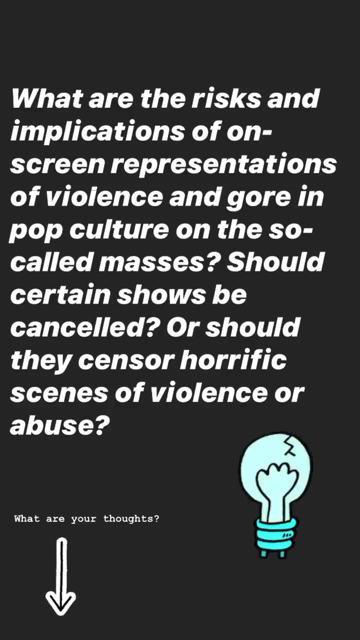
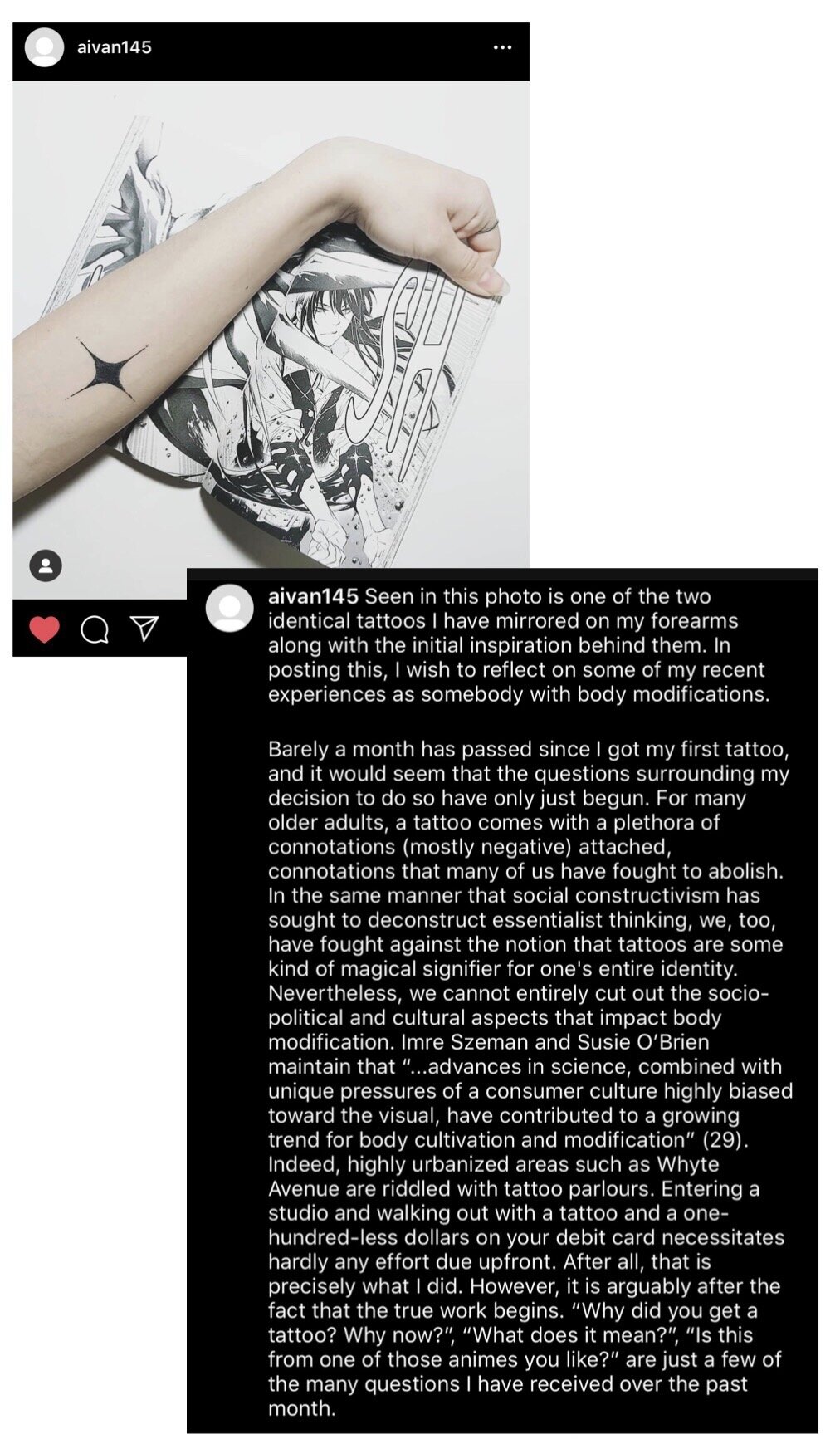
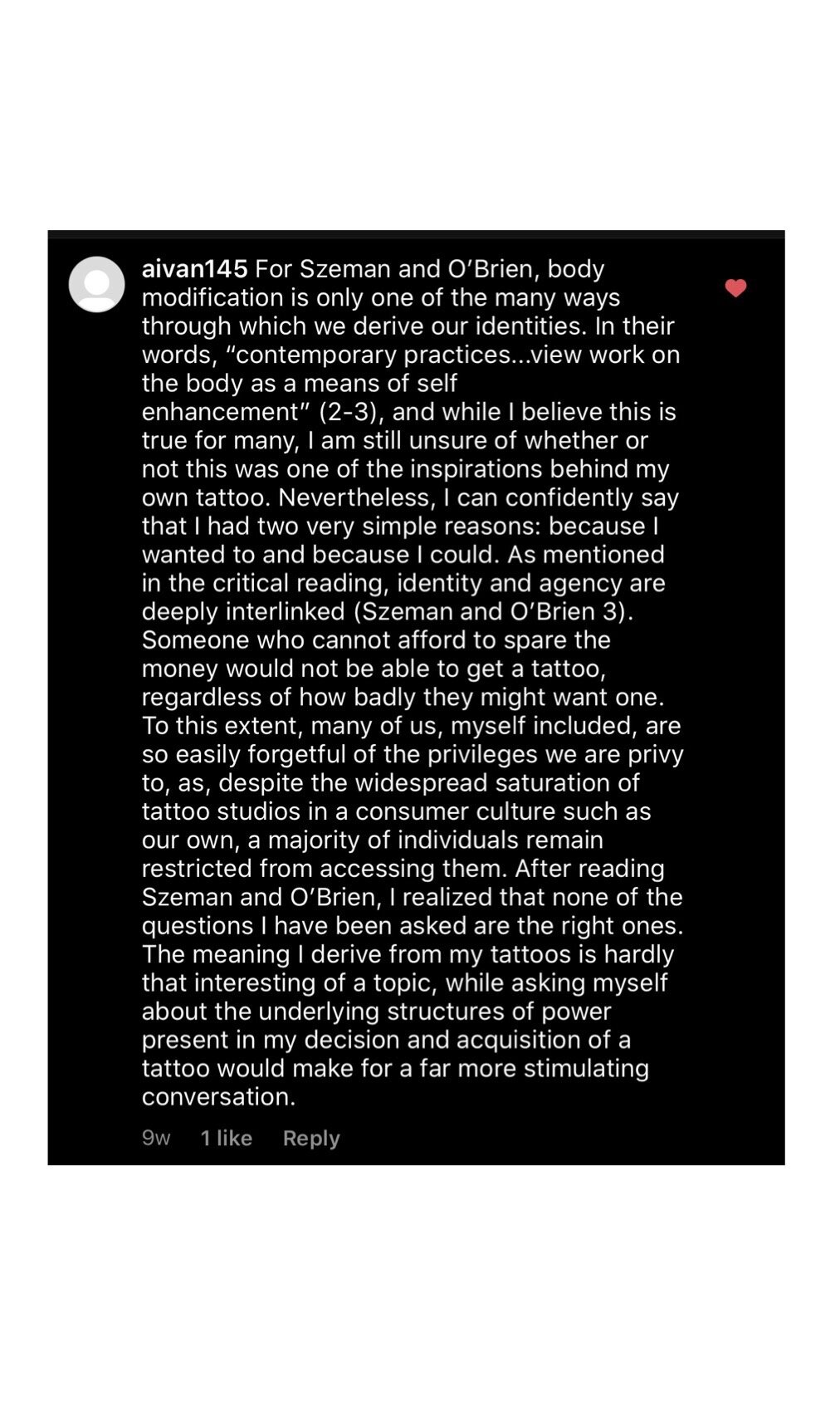
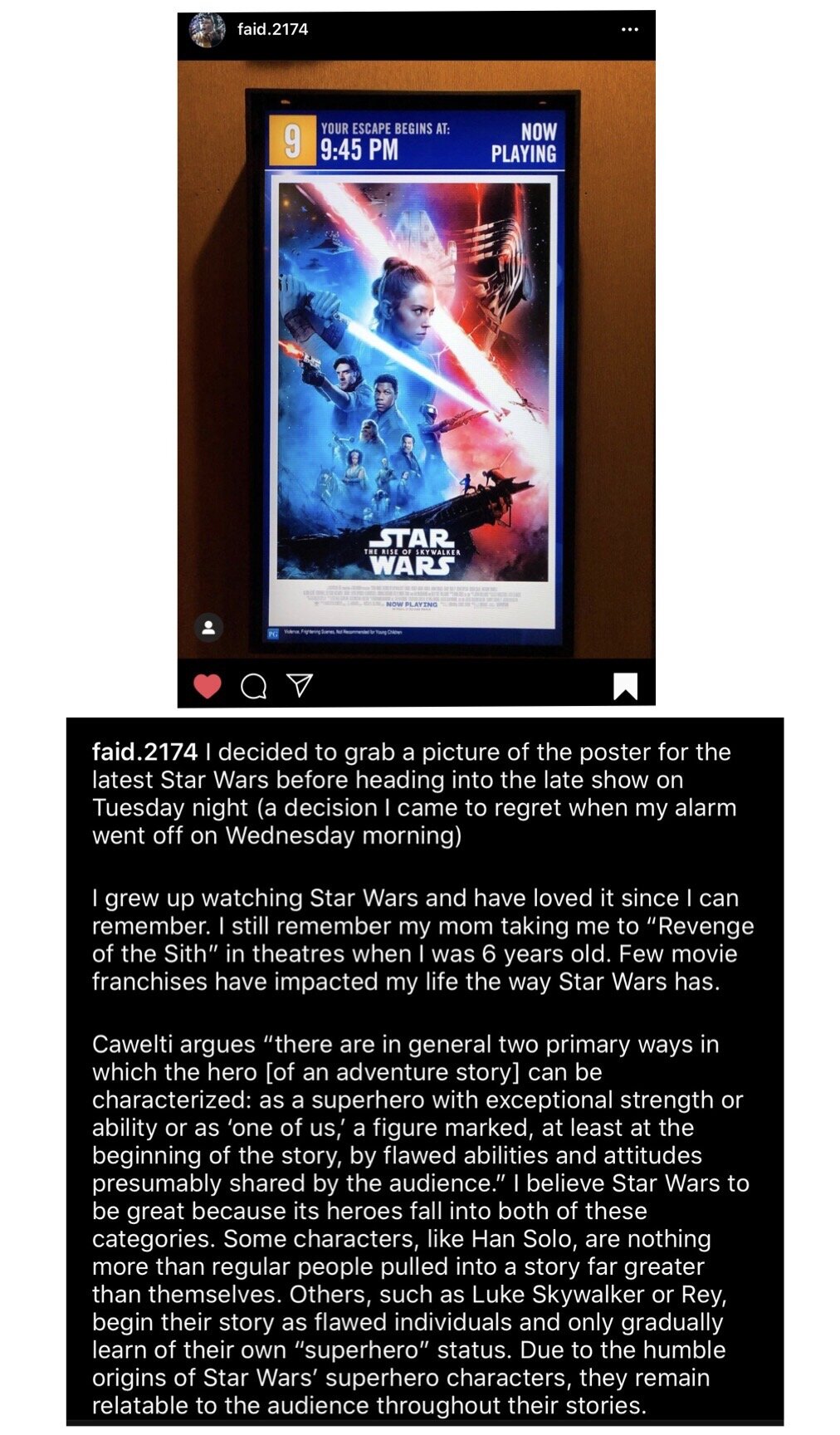
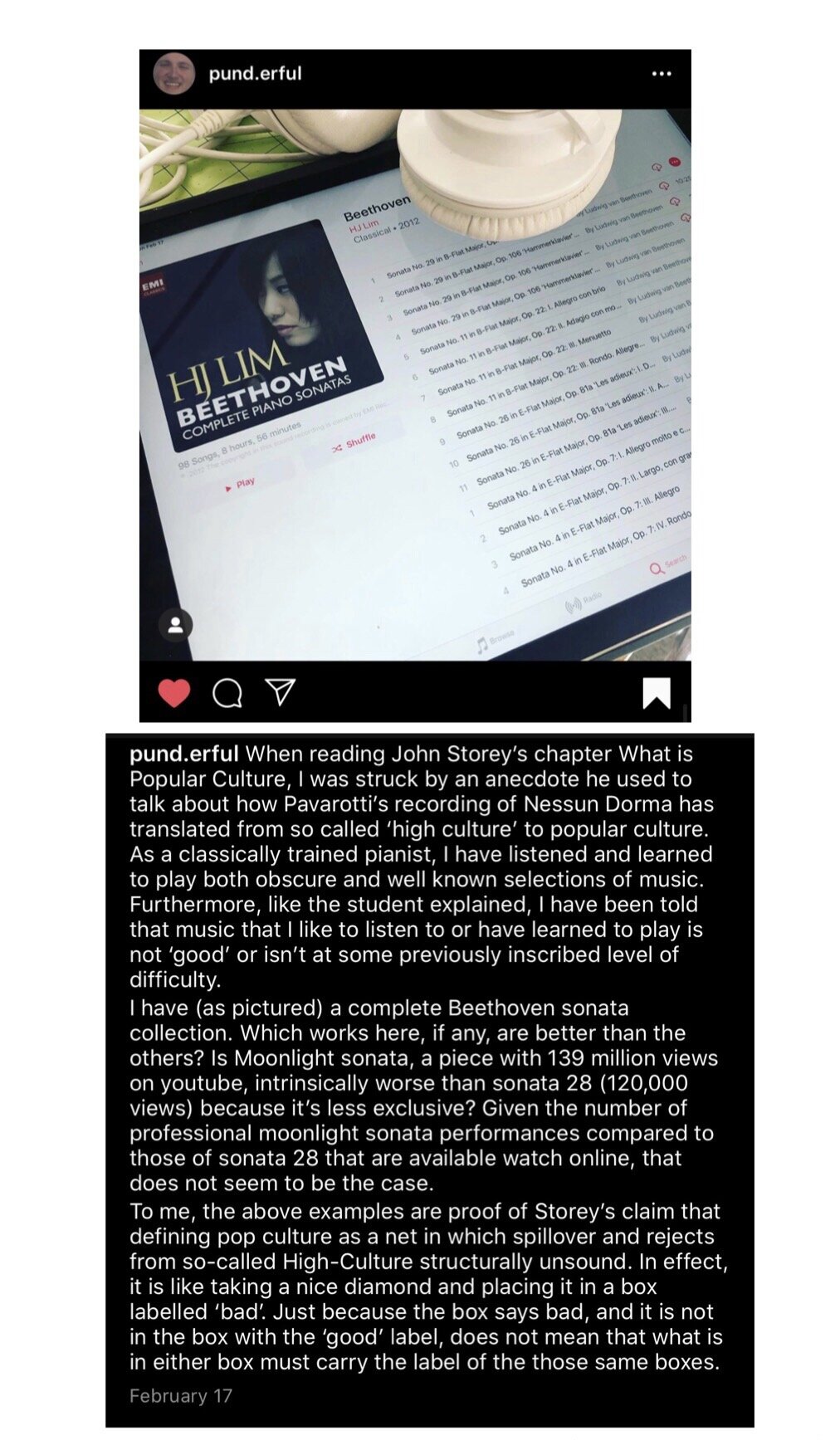
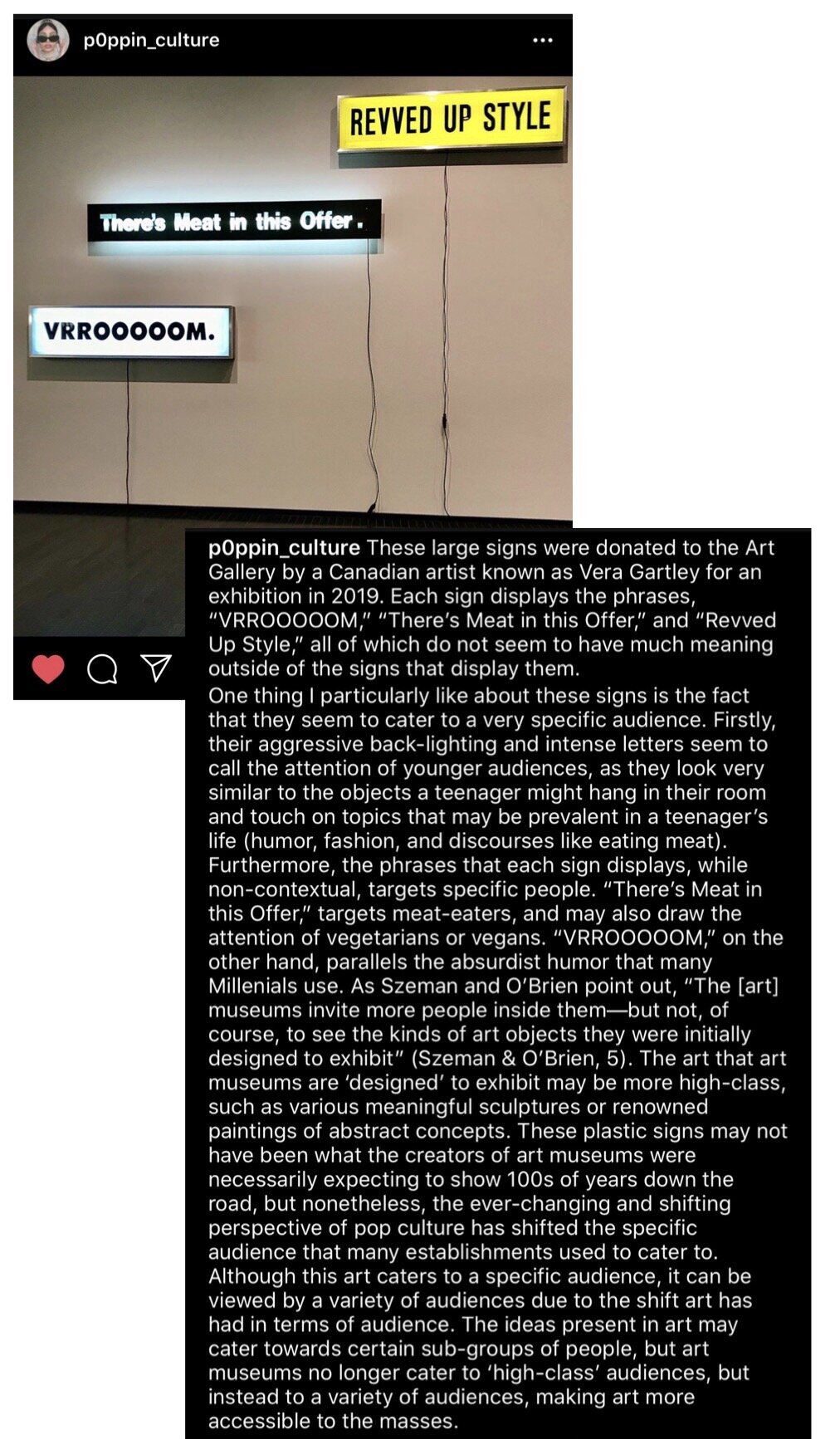
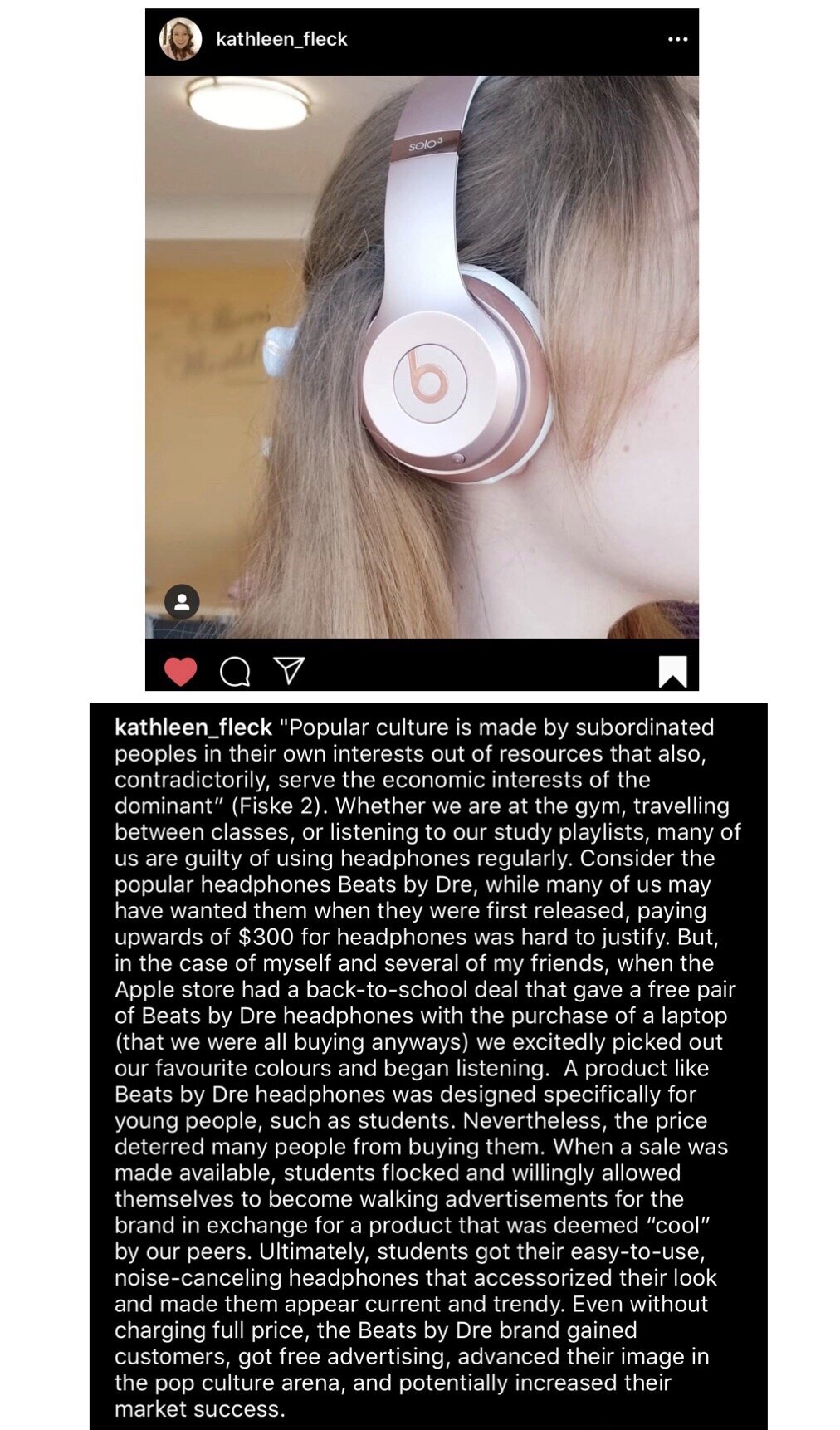
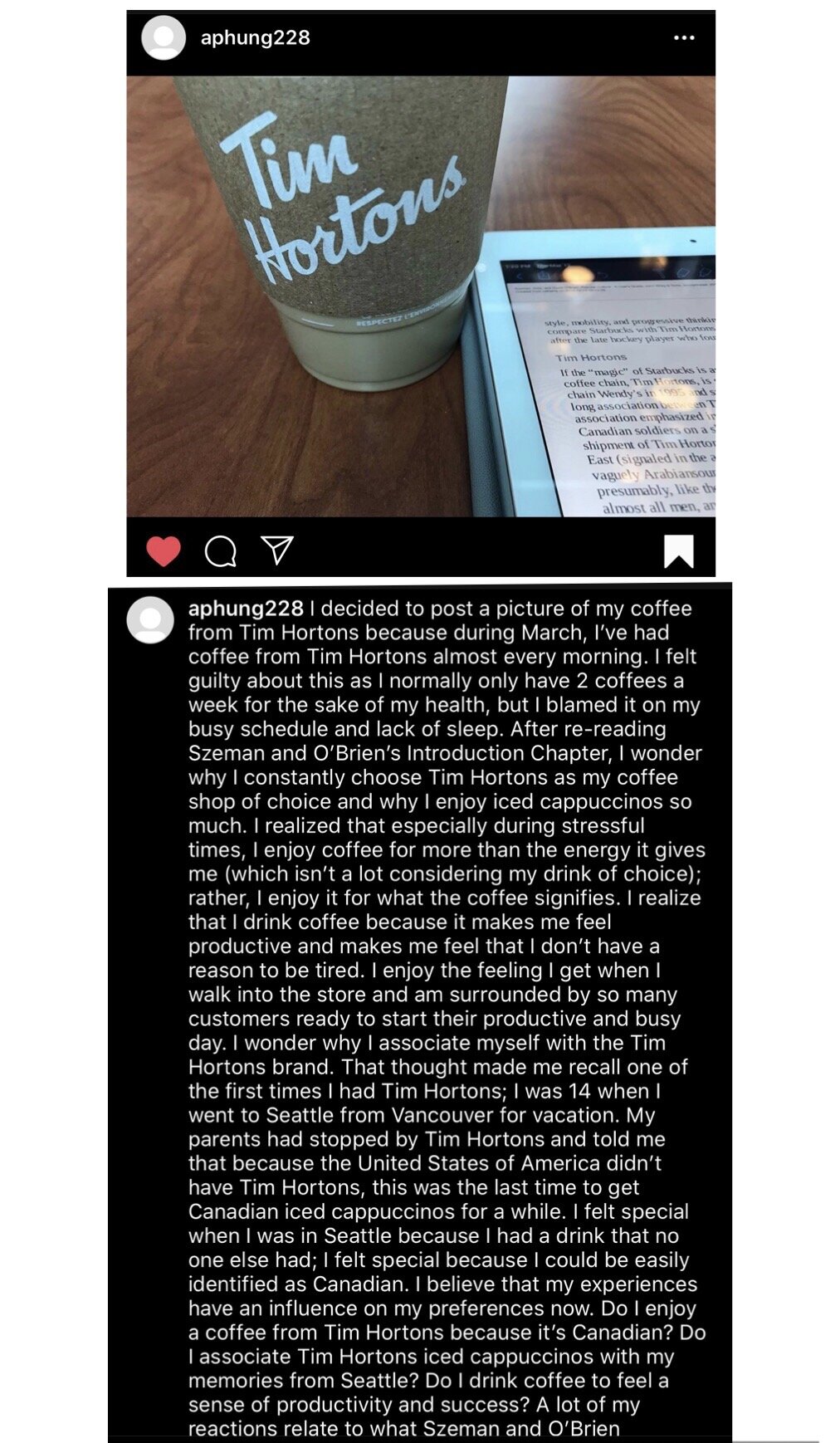
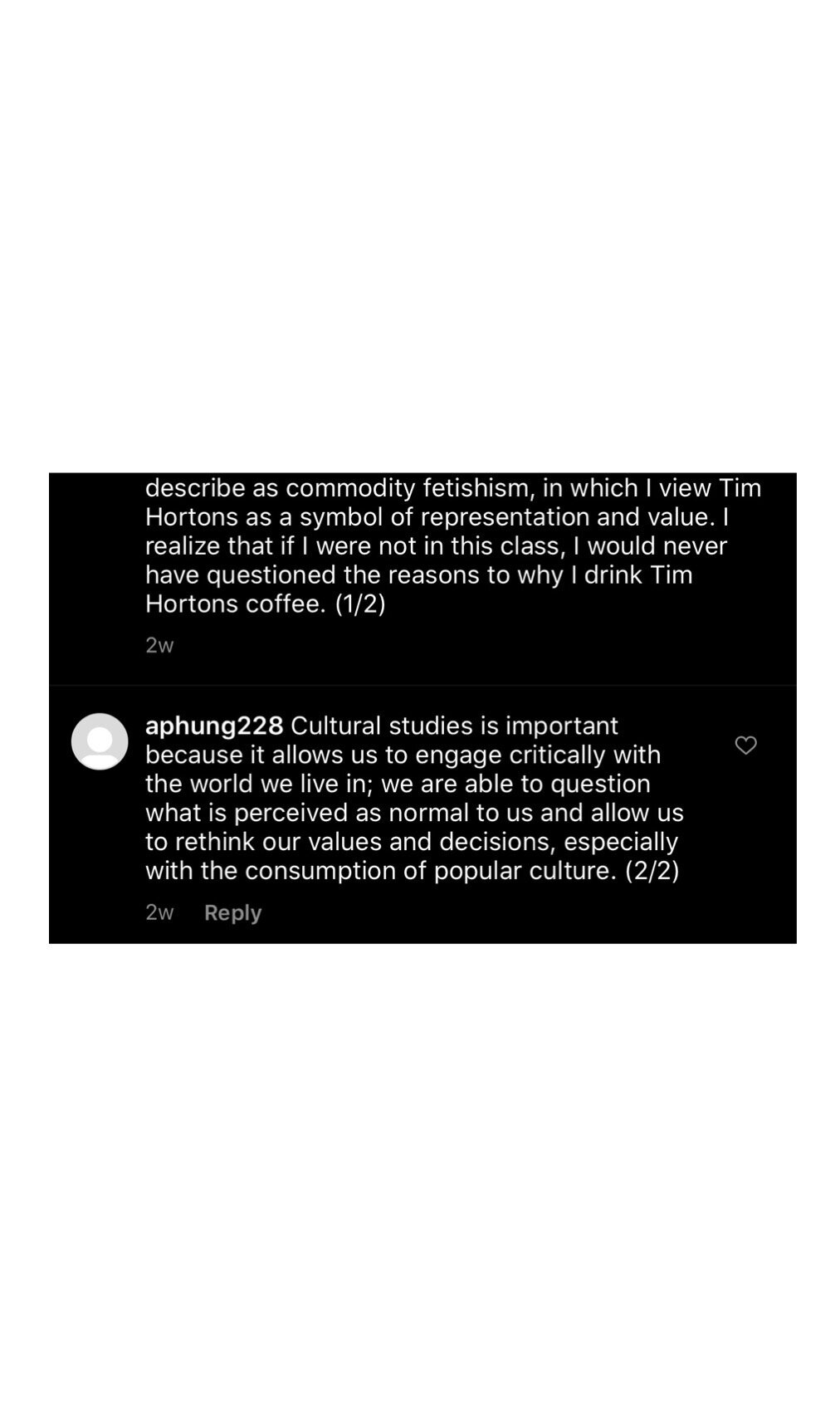
Our IG page (@pop.culture228) was initially used for another assignment, for which students had to create three original posts related to class content, readings and/or the study of pop culture. Many students applied critical definitions and concepts learned in class to reflect on their everyday rituals and practices that define their identities. I’ve asked some students to share their posts! Take a look at the photos for some great examples! (Hold and expand the text box).

If you want to view our IG page, you’ll have to add us first. The account is set to private, but once access is granted, you’ll find unique and original works by students whose passion and knowledge of popular culture is highlighted in a variety of forms, methods and thematic approaches. From paintings, to photo collages, to critical essays, to comics, to dance, to infographics, to films, and through other fascinating works of creative ingenuity, the virtual exhibition offers a glimpse into topics and texts examined in class and how students interpreted them. An image is worth a thousand words, and our exhibit showcases the importance of visual art and culture in communicating, challenging and contemplating contentious questions of culture, consumerism and capitalism in the 21st century.

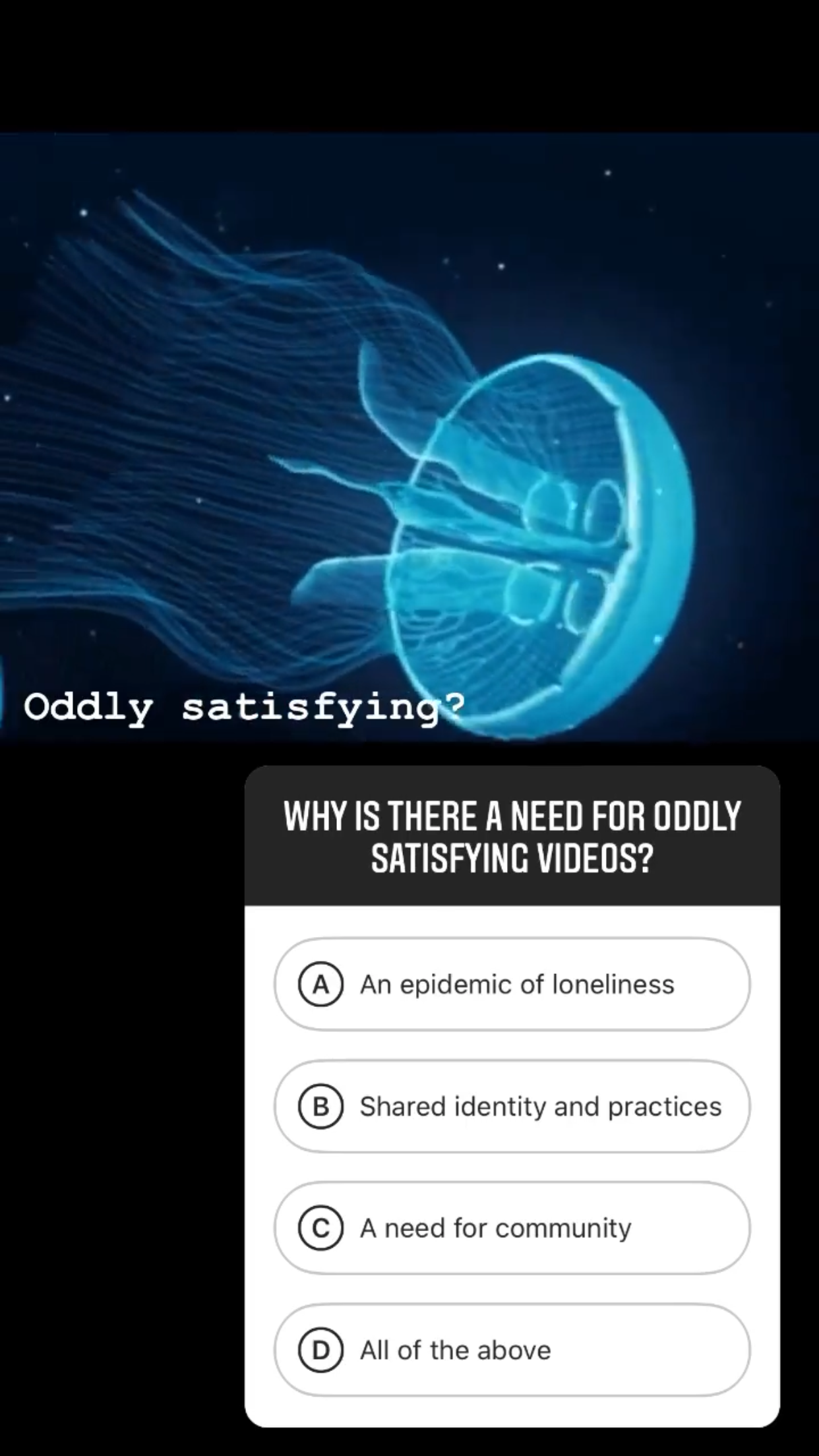
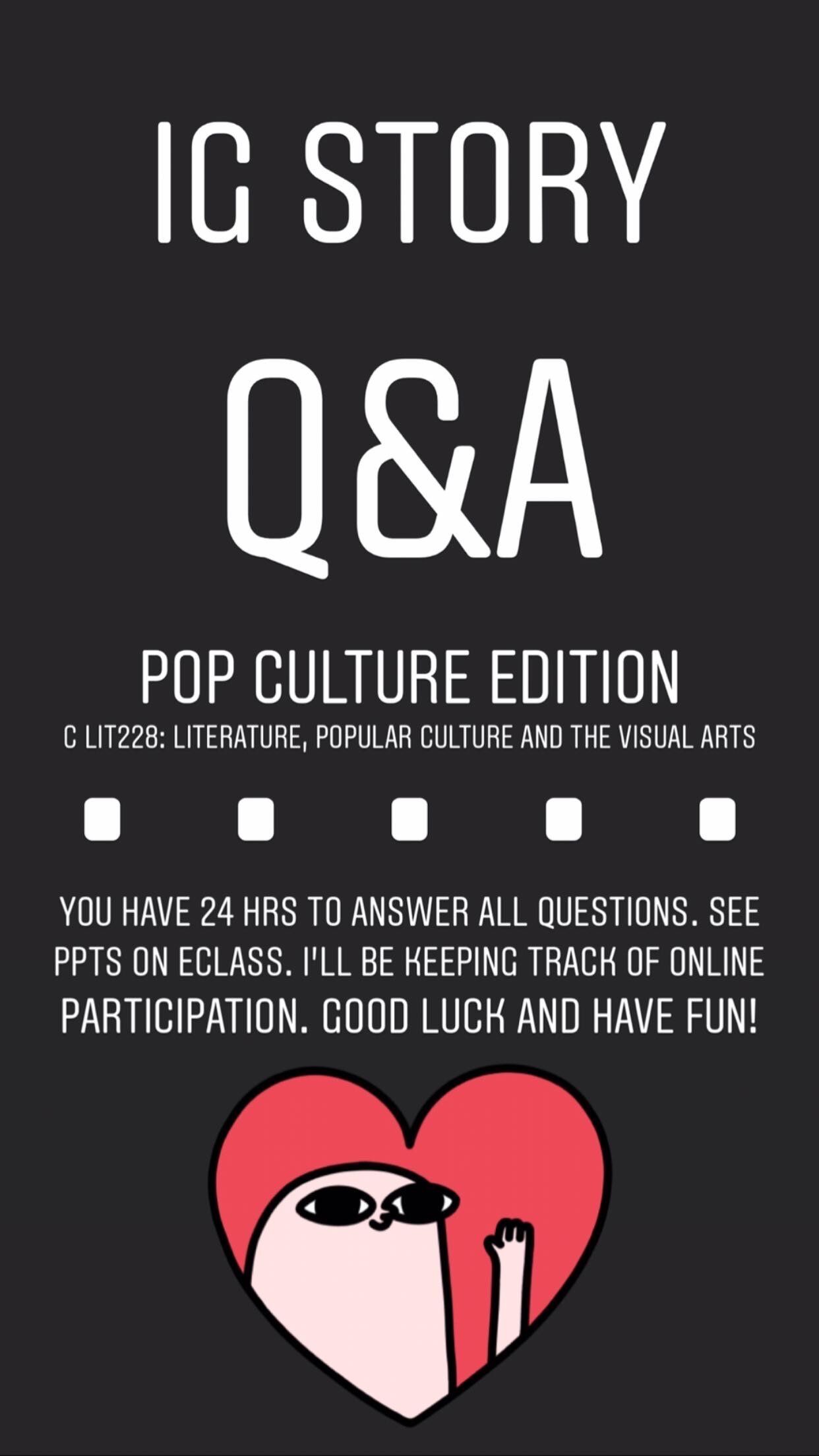
Finally, I also used Instagram to assess students’ participation by using the IG story function to create mini quizzes, on which I asked a series of open and closed questions. I thought this was a fun and interactive way to assess students’ participation and understanding of their peers’ PowerPoint presentations, which they self-studied. Check out the highlights on our IG page! (Scroll through selected images below!)
Overall, responses to taking the exhibit online were generally positive. The peer-learning portion of the exhibit was perhaps one of its most rewarding aspects, according to feedback I received from my students. The original plan was to have students ask each other about their project or essay topic in person during the first two days of the exhibit. Instead of cancelling the peer learning portion of the exhibit, I asked students to scroll through the tagged posts during class time, and to reach out to two of their classmates via DM. I encouraged students to engage in a critical discussion about their summative assignment and provided them with a worksheet to document their thoughts and findings, which was later submitted for grading. The majority of the students were genuinely interested in learning about their peer’s work(s) and I was impressed by the rigor and quality of their reflections. Although we all agree that a live exhibition would’ve been nicer in terms of seeing things with the naked eye, I’m still so proud and thankful for having such an awesome group of students who were committed until the end. I believe that when students have an opportunity to explore their own ideas and produce work that is personally meaningful to them, they thrive. This was the first time that I used Instagram as an experiential learning tool, and it worked out fantastically for this course! Most importantly, our IG page is now virtual time capsule that reflect what we currently perceive and consider as popular culture. It’ll be quite interesting to look at our IG page a decade or two from now to see how social mechanics of cultural taste have shifted over time.

Fellow instructors who’d like to see my rubric and assignment guidelines, please reach out to me here. I’d be happy to share my work and learn from you too! Again, a standing ovation to my students. As you continue to embark on your life journey, especially in times of uncertaintity, I leave you with the wise words of what Sherlock Holmes once said: “What you do in this world is a matter of no consequence. The question is what can you make people believe you have done” (A Study in Scarlet).
 

Confessions of an Instructor: Reflections on Meaningful Teaching by Mimi Okabe

What are some of the most memorable classes that you took in undergrad? Why were they memorable? What did the instructor specifically do to make learning accessible and fun?

I ask these questions in light of my own experiences as a student. When I was an undergraduate student studying English Literature, I dreaded having to attend, and even skipped, some of my Early Modern literature courses because of how they were taught. Even though I was interested in the course content, I was never really excited to attend class. I remember how the prof would stand in front of the classroom and read excerpts from an anthology. The sound of her voice was like a lullaby that put me to sleep almost instantly. I also didn’t like my translation course because all we did was translate essays from Japanese to English. The process was cumbersome and boring, and I vowed never to be a translator. For some reason, what stands out to me are the courses that I disliked as an undergrad student, but the lessons I learned in these courses as a student shaped the kind of instructor that I am today.

As an instructor, you don’t always get to teach the courses that you want or like. Sometimes we’re lucky, sometimes we’re not. So, you could imagine my initial response when I was offered to teach courses in classic (world) literature and translation. I thought to myself, GREAT! …

Perhaps, one of the best pieces of advice that I got was to make these courses my own. My colleagues encouraged me to “bust out” from the confines of traditional ways of teaching and learning, and motivated and inspired me to teach subjects that I once really disliked as a student. The worst thing that an instructor can do is to pass down their own negative experience to their students. One effective way of avoiding this is to reflect on why you didn’t like how the course was taught and to think about what you can do for your students so that they never have to experience what you did. Luckily, for my students, they will never have to hear me read page-after-page of something that was assigned for homework (that’s what Audiobooks are for) but I do encourage them to make meaningful connections between our historical past and the present by examining contemporary adaptations of literary classics that are relevant for teens and young adults in the 21st century. In my translation course, it was important to me that my students enjoyed the translation process, and I was over the moon when I received anonymous comments from students midway through the semester who said that “translating is fun!”  (cue the applause).

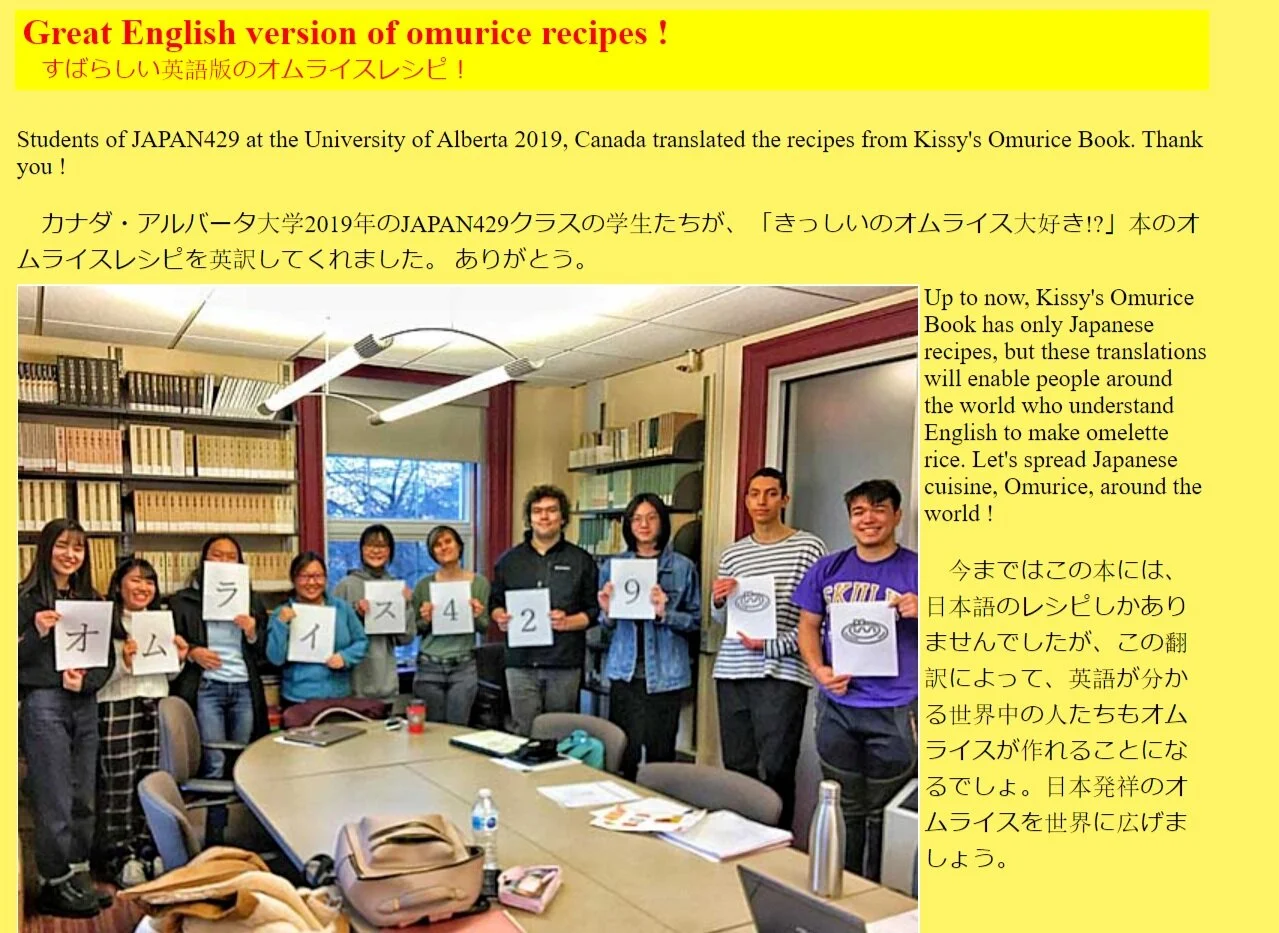
©きっしいのオムライス日記, 2019. Click to see Kishimoto’s blog. Photo shown here with permission from students who signed the “Informed Consent for Disclosure of Personal Information form” © 2019.

©きっしいのオムライス日記, 2019. Click to see Kishimoto’s blog. Photo shown here with permission from students who signed the “Informed Consent for Disclosure of Personal Information form” © 2019.

It is much harder to generate a strong desire for students to learn in a course that you personally had a bad experience with as a student, but take it as an opportunity to highlight your expertise and knowledge.

On the first day of my translation course, I asked my students what they wanted to translate and I tried to honor their requests to the best of my abilities. The first half of the semester was dedicated to teaching the grammatical, linguistic and pragmatic aspects involved in the translation process. The last few weeks of the course focused on applying these strategies to various texts, or discourse genres that students themselves wanted to practice translating. Another important thing that I wanted to do in this course was to show students the practical outcome of in-class work. So, I reached out to my friend, Yoshihiro Kishimoto, who is the author of Kissy's I love Omurice (きっしいのオムライス大好き, 2019). I asked him if it would be OK if our class produced unofficial translations of the recipes featured in his book as fun practice and as part of a unit on how to translate procedural discourse that he could later feature on his blog. He gave me a thumbs up, and you can check out the students’ on-line publication here (scroll down till you see “Great English version of omurice recipes !”). Thank you, Kishimoto-san!

In teaching courses that you once dreaded as a student, you gain new insight and learn to become a more effective instructor. At the end of the day, it’s important to design courses that are academically rigorous, but also ones that students would want to attend. The best instructors are those who never stop learning, and who consistently challenge themselves by pushing the boundaries of their own comfort zone.


Translating Poetry: A Special Guest Talk by Sally Ito by Mimi Okabe

© Chin Music Press Inc, 2016. Front cover. Illustrated by Toshikado Hajiri. Translated by David Jacobson, Sally Ito and Michiko Tsuboi.

© Chin Music Press Inc, 2016. Front cover. Illustrated by Toshikado Hajiri. Translated by David Jacobson, Sally Ito and Michiko Tsuboi.

I am back from my four month hiatus! I wish I could tell you that I was busy traveling the world…

In reality, I’ve been busy doing research, meeting deadlines for publications, moving and teaching. I am back at the University of Alberta where I’m wrapping up a course on Japanese-to-English translation. Next semester, it looks like I’ll be teaching a course on Literature, Popular Culture and the Visual Arts, so I can’t wait!

As the end of the semester begins to dawn, I was lucky to have been able to contact Sally Ito, a Japanese-Canadian poet and translator based in Winnipeg, to deliver a guest talk to our translation class via SKYPE. I discovered Sally’s co-translated works in The Polyglot Magazine’s Unfaithful Issue, which features poetry in translation in multiple languages, including Japanese. Our class focused on a selection of poems featured in both The Polyglot and Are You an Echo? The Lost Poetry of Misuzu Kaneko. This award winning book, which also received an Honorable Mention for the Freeman Award in 2016, presents a side-by-side, Japanese to English translation of Misuzu’s poems that are also accompanied with beautiful visual translations. Like some of my students, however, this was the first time that I read Misuzu’s works, and I was struck by the simplicity and playful innocence of her poems in light of her life struggles.

© Chin Music Press Inc, 2016. Excerpt from "Day and Night” in Are You an Echo? Illustrated by Toshikado Hajiri. Translated by David Jacobson, Sally Ito and Michiko Tsuboi.

In class, Sally shared some interesting stories that gave us behind-the-scenes insight to the translation process of her co-translated works. I think my students will agree that one of the most challenging aspects of translating expressive texts is being able to capture the nuance, tone and meaning of the source text. And while these aspects of translation can be sharpened with practice and experience, I think one of the most valuable lessons that I learned was that translation is never a solitary activity. Sally’s co-translations are a testament to the power of teamwork (and partnership with her aunt) that is essential in producing accurate, compelling and evocative translations.

Still, even professionals encounter obstacles. For example, what happens when translators can’t agree on an interpretation of a work? We know that not all poets interpret the meaning of a poem in the same way, and in Sally’s case the last lines of the poem “Day and Night,” featured in Are You an Echo, posed a problem for translators because it could be translated in two different ways. To resolve this issue, the translators asked people to illustrate how they interpreted the last lines of poem. I thought this was such a fun and interesting method to achieve clarity in meaning. Sally’s backstory to the translation of “Kaguyahime –Songs from Folktales 2–,” featured in Unfaithful, was also interesting in that it gave us insight to what was happening at the time when she was translating this poem and how a tragic event within a community can impact the depth of meaning conveyed in the translated text. In other words, poets and translators are not locked up in some ivory tower. Not only are they sensitive to the poetic words on the page but they are equally sensitive to how these words make meaning in the world in which she/he belongs. The beauty of poetry in translation lies, to some extent, in its subjectivity that enables the poetic imagination.

Overall, I couldn’t be happier for this experience. It was an interactive session where Sally, as well as the students read poetry out loud (as it should), and we all had so much fun!

Works Cited

Misuzu, Kaneko. Are You an Echo? The Lost Poetry of Misuzu Kaneko. Illustrated by Toshikado Hajiri. Translated by David Jacobson, Sally Ito and Michiko Tsuboi, Chin Music Press Inc, 2016.