I finally met Juliet McMaster! by Mimi Okabe

I found out that Juliet McMaster was the external examiner for my former supervisor, and she referred to me as her "granddaughter" by extension, which I thought was very sweet.  What a small world!

I found out that Juliet McMaster was the external examiner for my former supervisor, and she referred to me as her "granddaughter" by extension, which I thought was very sweet. What a small world!

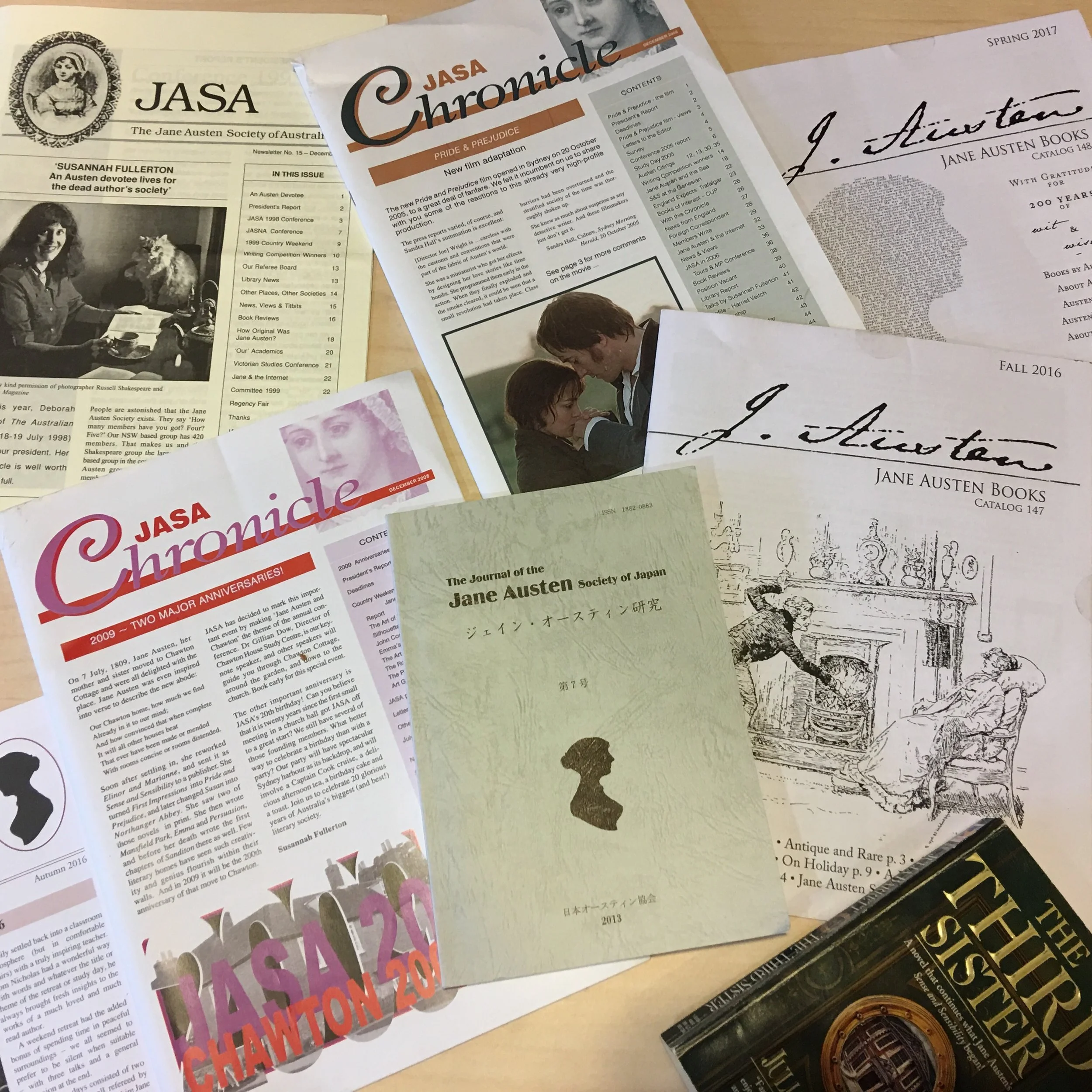
On October 28th 2017, the monthly meeting for the Jane Austen Society of North America-- Edmonton Region took place at United on Whyte 7909-82 Avenue. The community gathers every 4th Saturday of every month and they feature guest lectures on Jane Austen and her works by academics, writers, and community members. Very nice refreshments were also provided courtesy of Vicky!  Last month, Dr. Nora Stovel delivered a talk entitled, “Modernizing Jane Austen: the HarperCollins project,” which, I sadly, could not attend.

Yesterday, Dr. Juliet McMaster, who founded JASNA-Edmonton region, delivered a compelling lecture entitled  “The Child Author as Mother of the Novelist: From the Juvenilia to the Novels,” in which she made the case for understanding the importance of how themes of courtship in Austen’s Juvenilia get carried forward and magnified in the novels. The manuscript has been sent for publication with Persuasions On-Line and I can’t wait to read it--to really digest it. This was the first time ever that I’d seen Dr. McMaster present, though, I have read many of her works. I'd always wanted to meet her, especially after having completed one of my MAs on a manga adaptation of Jane Austen's Sense & Sensibility, but by the time I came to study at the University of Alberta, Dr. McMaster had already retired! I thought that I would never get a chance to meet her,  so being able to listen to her present and talk to her was like a dream come true! The delivery of her presentation was so incredible! She had such a great sense of humor and really knew how to draw a crowd. It was like a performance. There is much to learn from her.

Juliet McMaster in white attire.
Juliet McMaster in white attire.

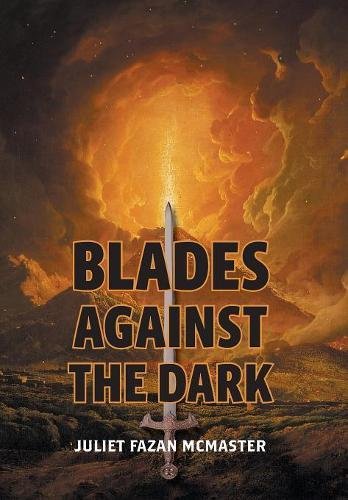
In addition to her talk on Jane Austen’s Juvenilia, Dr. McMaster also gave a fencing demonstration as part of her book promotion, Blades Against the Dark. Her demonstration was also quite impressive! She then gave a short reading from the novel. I wish the day wouldn’t end! Being surrounded by so many accomplished, intelligent and influential women, I felt so inspired and motivated!
IMG_9235.jpg

For monthly updates on JASNA Edmonton region please click here

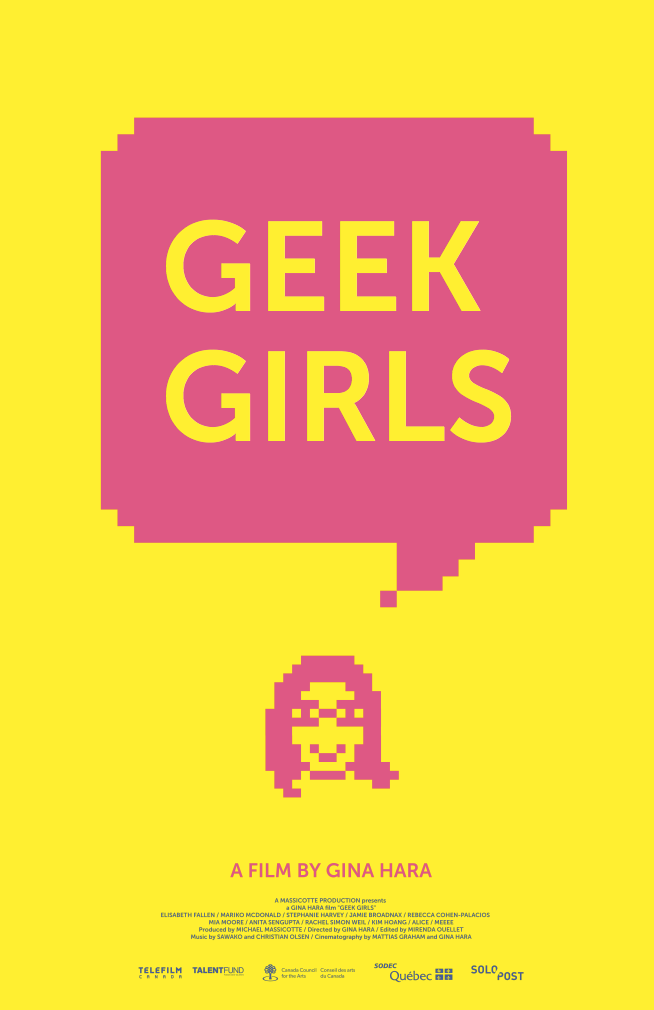
GEEK GIRLS (A Review) by Mimi Okabe

Geek Girls POSTER low res poster.png

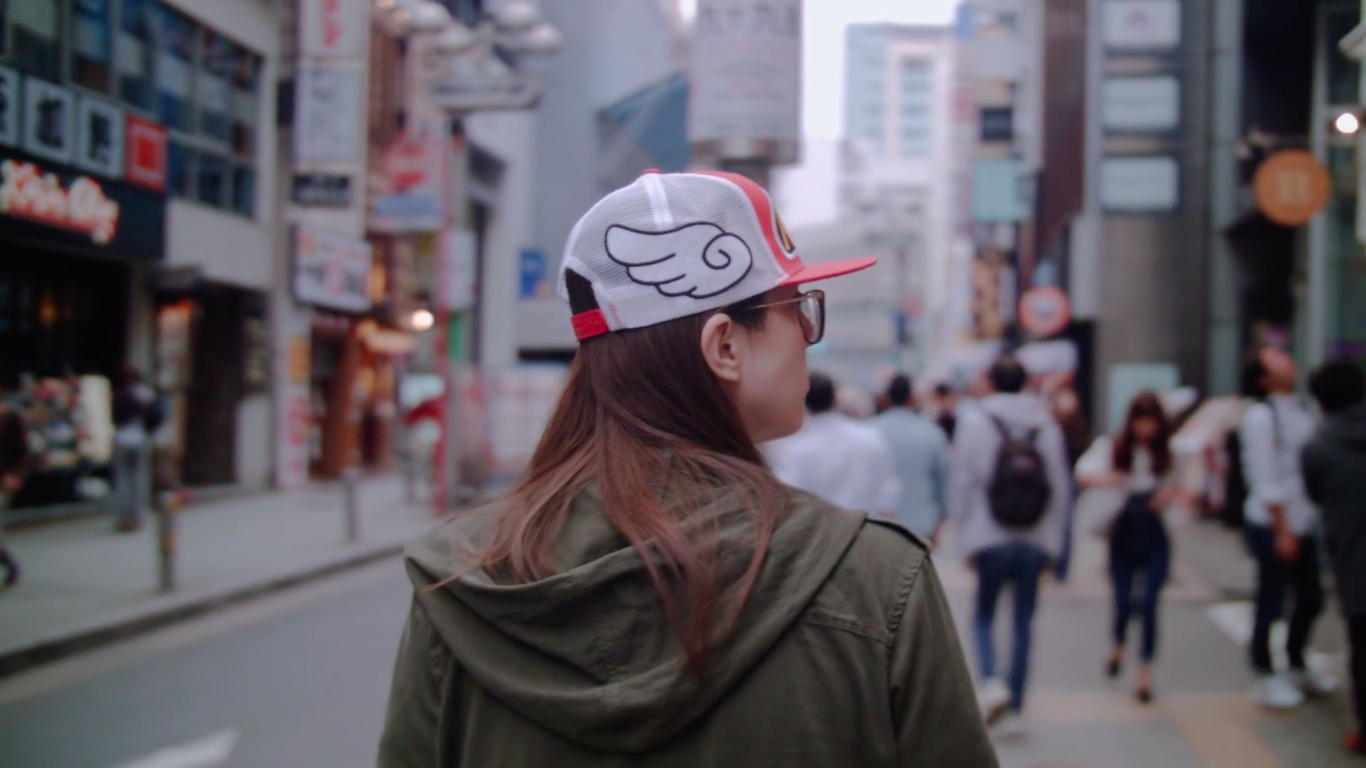
Are you a Geek? You might in fact shy away from that label because it connotates some one who is different, creepy and/or a social outcast. Director Gina Hara’s feature-length documentary entitled GEEK GIRLS explores the culture of geeky women who are empowered by their geeky-ness in their own creative and meaningful ways. I was lucky to have been able to watch this documentary, which was featured as part of Edmonton’s DEDfest, a festival that celebrates the works of indie film makers. Gina’s documentary, which took three years in the making, is brilliantly put together and well researched--and it shows.

Director heashot- Gina Hara, photo by Anne Garrity.jpg

In her quest to find the answer to the question: What does geek mean to me? Gina’s journey begins and ends in Japan as she grapples with the politics of geek identity. In her pursuit, she weaves together women’s voices from around the world, who articulate their trials, risks and tribulations of what it means to be part of a “geek” community/nerd culture. In a community typically defined by men and that which is often hostile towards the inclusion of women, the cast of women interviewed in the film, which include cosplayers, gamers, comic book creators and a scientist, celebrate how women define and redefine the boundaries of geek culture. The multiple perspectives that the documentary offers underscores the theme of "inclusivity," which is central to the film’s political vision.

The film is conscientious not just in terms of its form (sound, music & cinematography), but also its content, especially in articulating its feminist aims. In other words, it doesn’t celebrate a culture of women at the expense of men. Rather, it accomplishes to make you think and even reassess your own values and stance. This was evidenced during the Q & A session following the screening. A woman, sitting in the audience tearfully asked how she could protect her daughter in a community that might be toxic for young girls? Why at the cost of humility, shame, ostracization and cyber-bullying, would she, as a parent, encourage her daughter to celebrate geek identity? This prompted a young man, also sitting in the audience, to ask what he can do to combat sexism. Some of the best films are those that inspire and Gina’s documentary has the potential to foster and nurture a sense of community beyond the text itself.

For upcoming screenings and more information about the film, click here.

GeekGirls 3x3a.jpg


All photos provided by Gina Hara (Thank you!).

Get Ready for Nagasaki Kitty: A Hibakusha Story (PC Game)! by Mimi Okabe

pyOfg3y__400x400.jpg

Nagasaki Kitty

Sounds like a rendition of Hello Kitty, or does it?

In a world of all things kawaii and pink, Nagasaki Kitty casts a shadow on a culture of decadence by reminding us about Japan’s historical past--before the time of Cool Japan. Directed and written by Ryan Scheiding and developed by his team, Nagasaki Kitty is a choose-your-own-adventure/ visual novel type PC game that features a young protagonist named Ayako during the aftermath of the atomic bombings in Nagasaki. In her quest to find her mother, Ayako encounters the harsh realities and tragic loss of those around her. The story, though fictional, recounts the real events of the utter devastation brought upon by the bomb, which is conveyed in the monochromatic, sumi-e style  illustrations done by Marilyn Sugiarto. The music by Steven J. S. Bowcott sets the tone of the game, and all these elements are brought together by the tech savvy, Luciano Frizzera. Stay tuned for Samia Pedraça, the 3D modeler for the next iteration of the game!

My role as a translator was both exciting and challenging. Exciting because it was the first game that I translated and challenging for two reasons. First and foremost, I asked myself, how  do I begin to translate the experience of war? Would my translation cause offense to those who actually survived the war? This led me to a host of other questions: does the game’s translation lend itself to how some hibakusha narratives have been utilized to repress the memory of conflict between Japan and America, which functions not only to redefine Japan’s relationship to America as its ally, but at the same exonerate Japan’s colonial history, as scholars such as Yoshikuni Igarashi once said?  In what ways does it reconstruct Japan’s cultural memory about the war and its role as victim within it? Am I thinking too much? Secondly, as a woman educated in Hyojyungo Japanese, how do I capture Nagasaki-ness? Do I imitate and appropriate Nagasaki-ben or do I leave it in Hyojyungo? I grappled with these questions in my translated version of Scheiding’s prose. At the end of the day, and with the help from friends, I decided to incorporate some Nagasaki phrases and words, while maintaining the flavor of Scheiding’s original. My aim isn’t to reproduce with precision and accuracy an historical event that is beyond comprehension to begin with--neither is this  the aim of the game--rather, Nagasaki Kitty offers an interesting cross-cultural interpretation of Japanese history through a contemporary North American lens, which isn’t without its limitations as well as potentialities, but it ultimately sparks and invites conversation and critical discussion.  

Check out the team’s individual websites & of course Nagasai Kitty!

Luciano Frizzera

Samia Pedraça

Marilyn Sugiarto