“The person, be it gentleman or lady, who has not pleasure in a good novel, must be intolerably stupid.”
—Jane Austen, Northanger Abbey
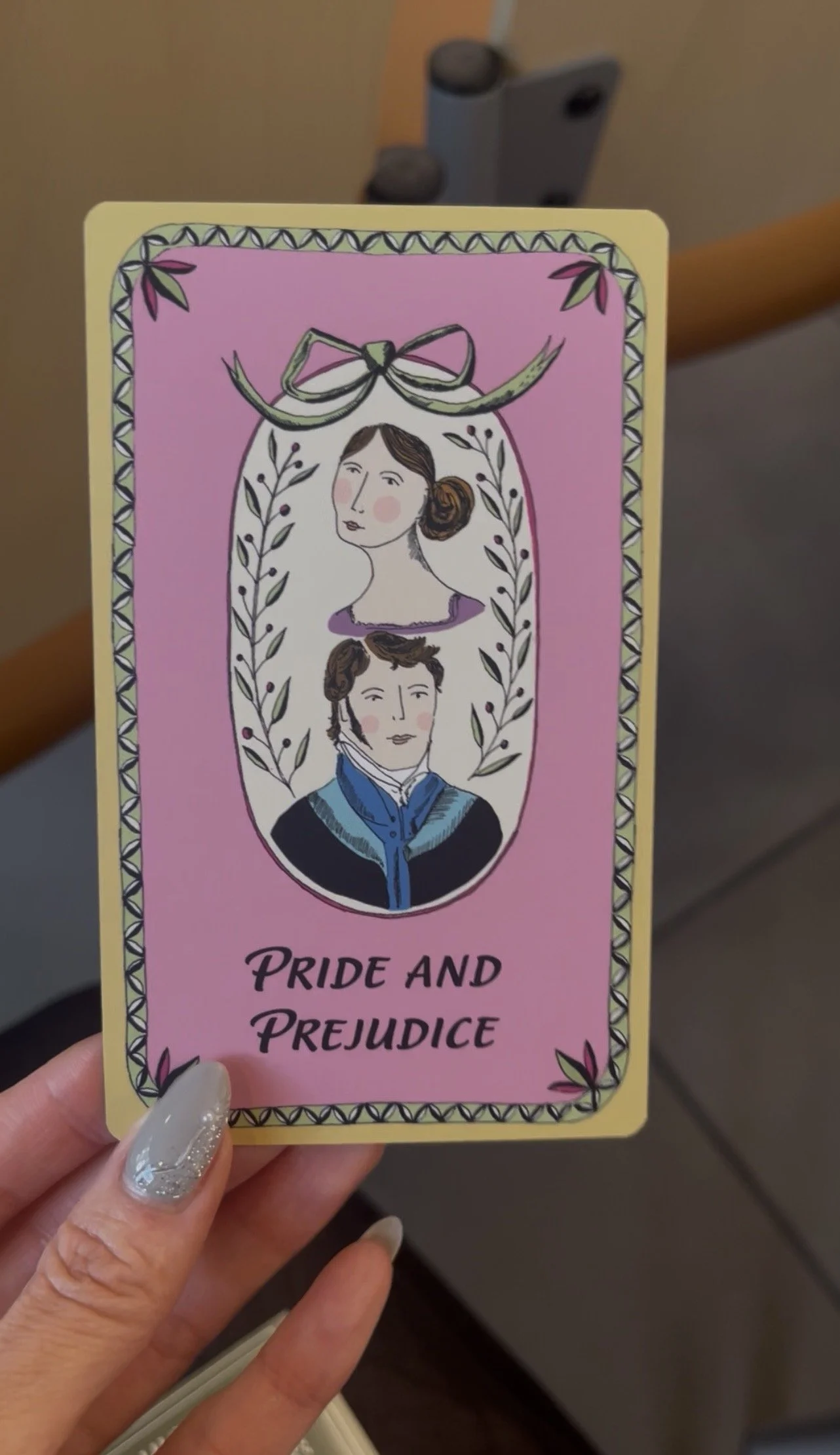
Last weekend, I attended my first meeting of the Jane Austen Society of North America’s New York Metropolitan Region (JASNA-NYM) and I did not quite expect how nostalgic the experience would make me feel.
Jane Austen was once a much larger part of my academic life than she is now. During my second MA, I studied under Dr. Barbara K. Seeber, a renowned Jane Austen scholar whose work also brings Austen into conversation with Animal Studies. At the time, she was working on what would become Jane Austen and Animals.
When I later moved to Edmonton to study at the University of Alberta, Austen followed me there too. I became friends with Linda through the local Sherlockian community, and she was also involved with JASNA’s Edmonton Region. That connection introduced me to another community of readers who genuinely loved talking about Austen.
I even had the opportunity to give a presentation there, which I blogged about many, many years ago (ha!) Read it here!
It was through that community that I first met Juliet McMaster, the distinguished Austen scholar from the University of Alberta and one of JASNA’s founding members. What I remember most vividly is that she even gave us a little fencing demonstration. It was one of those wonderfully unexpected moments that has stayed with me all these years. I also remember being struck by the combination of scholarly seriousness and sheer delight that surrounded Austen in those spaces.
And then my own research went elsewhere.
Or perhaps it would be more accurate to say that it appeared to go elsewhere…
I became increasingly immersed in manga, detective fiction, Japanese popular culture and video games. Austen moved further into the background. I certainly never imagined, while finishing my PhD at the University of Alberta, that years later I would be living in New York and attending another JASNA meeting, or that Austen would suddenly begin speaking again to questions that have become important to my work now.
The occasion was JASNA-NYM’s September meeting devoted to Jane Austen, men and masculinity, held at Northeastern University New York City. The afternoon brought together Dr. Michael Kramp, Steven Orozco, Georgie Castilla, James Brent Isaacs and Tyler Hamilton. Kramp opened with a lecture, “How Might Jane Austen Help Us Talk About Contemporary Masculinity?” Orozco followed with a Member Spotlight on Frank Churchill in Emma and Castilla then moderated the concluding panel, “Jane Austen Is for Men: Male Creators in the Austen Fandom,” featuring Isaacs and Hamilton.
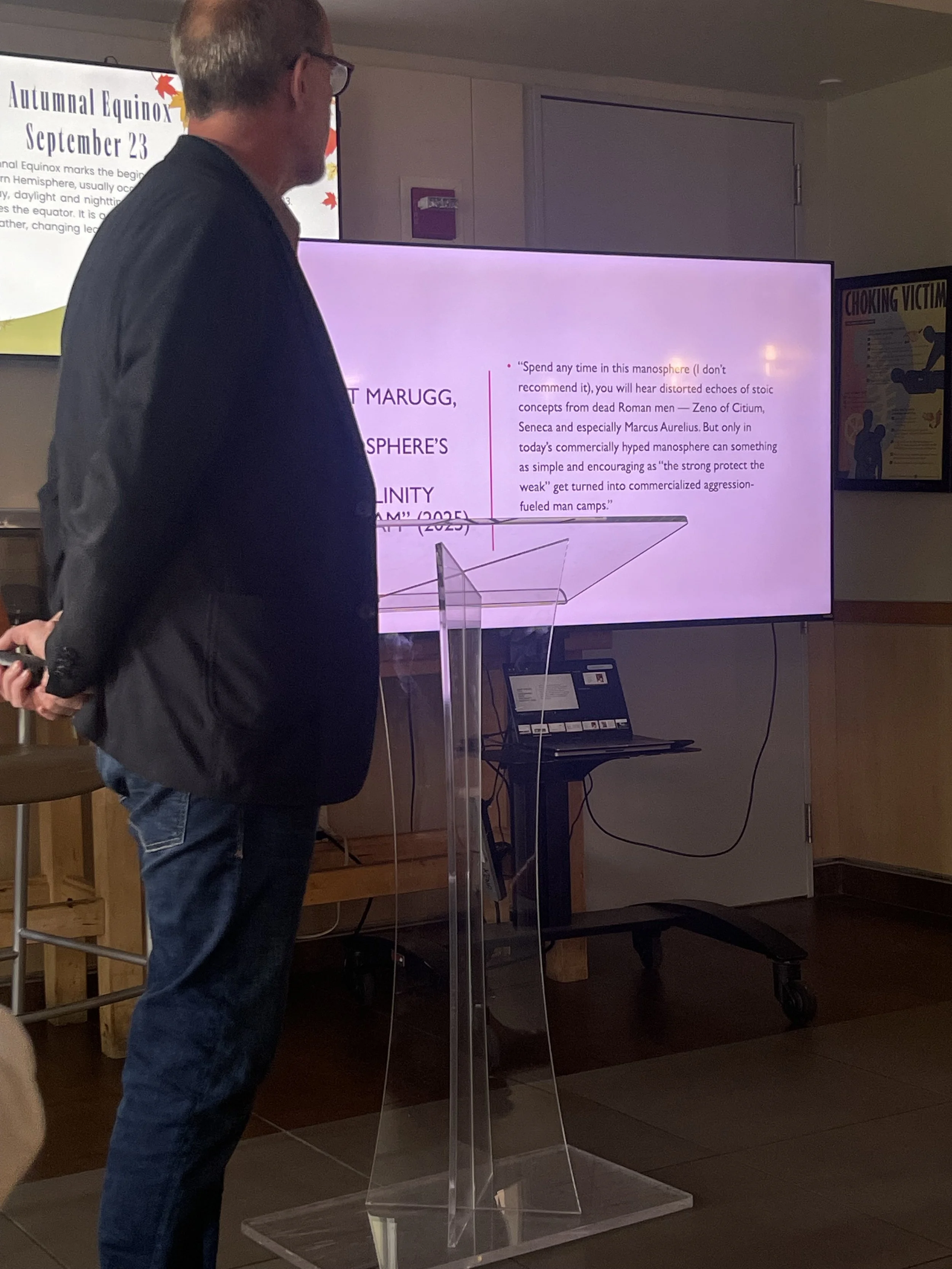
I have Michael Kramp to thank for getting me there in the first place. We happened to be in Japan at roughly the same time this summer and although our schedules prevented us from meeting in person, we were able to talk over Zoom upon my return to the city.
Kramp has written extensively on Austen and masculinity and one of the things that stayed with me from his presentation was his careful handling of the idea of a contemporary “crisis of masculinity.” Rather than treating masculinity as something fixed that has suddenly entered into crisis in our own historical moment, his talk placed these anxieties within a much longer history. Discourses about masculinity being threatened, weakened, destabilized or somehow “in crisis” recur across different historical periods. His discussion reached back to the 1790s and figures such as Edmund Burke, reminding us that these anxieties are hardly new. That historical framing matters because masculinity itself is not timeless or natural.
Likewise, recognizing that patriarchal structures privilege men does not mean that every individual man experiences those structures as liberating or beneficial. Expectations about what a man should be (i.e., strong, emotionally controlled, autonomous, authoritative, invulnerable etc) can themselves become restrictive.
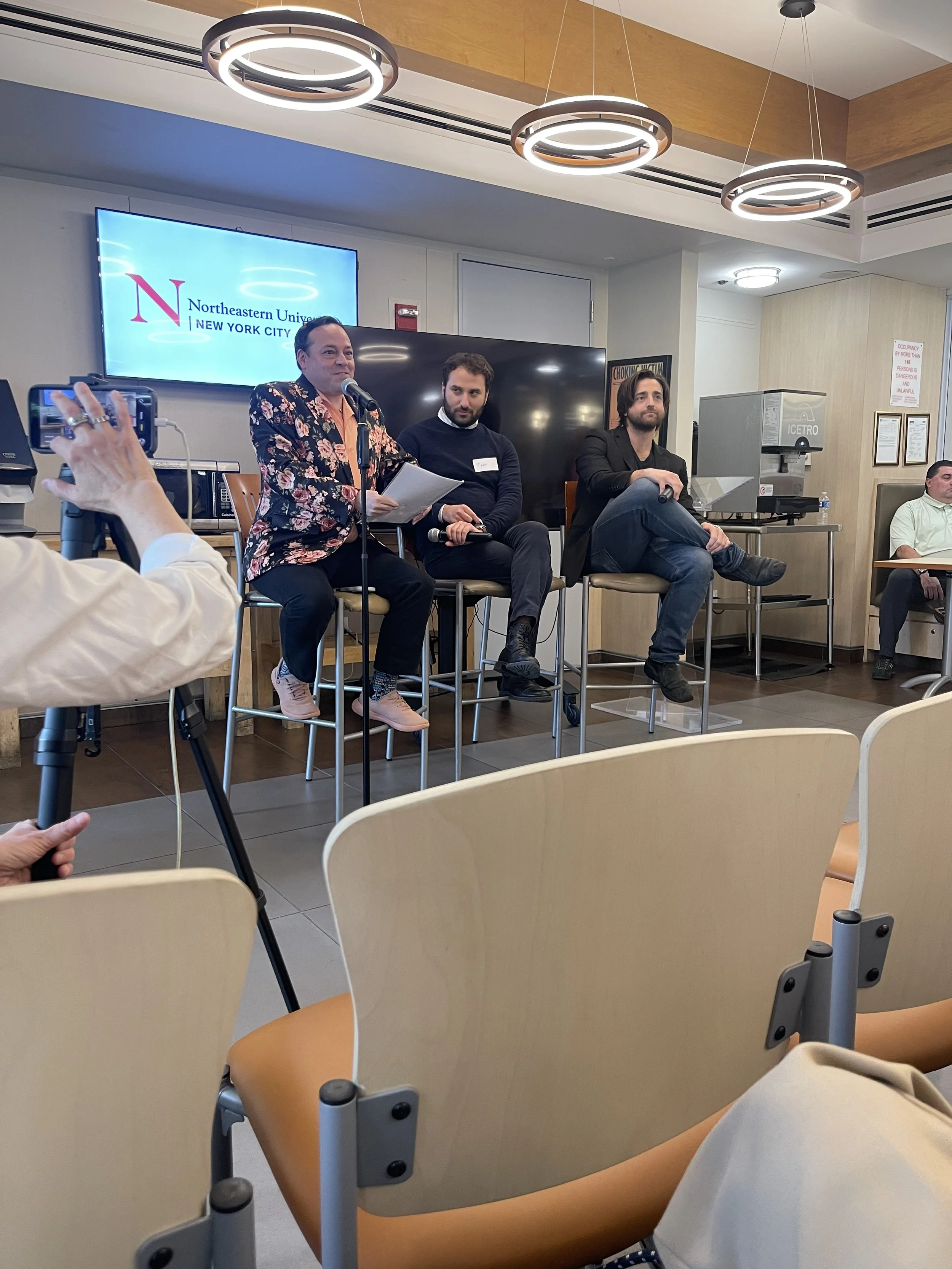
In other words, Kramp was not suggesting that Austen offers a ready-made solution to contemporary anxieties surrounding masculinity. What her writing can offer, instead, is a space in which those assumptions can be examined: a literary world in which masculinity appears not as a single stable category, but through an array of male characters whose virtues, vulnerabilities, failures, desires and relationships invite us to think more carefully about what being a man has meant at different historical moments.
Later in the afternoon, the final panel discussion pushed those questions in another direction.
At one point, the panelists were asked a deceptively simple question: What makes a good man in Jane Austen?
….
The answers circled around qualities such as honesty, authenticity, humanity and emotional openness. The discussion also touched on the difficulty of identifying a completely straightforward villain among Austen’s male characters. Her men can certainly behave badly. They can be selfish, vain, foolish, deceptive, emotionally confused or simply wrong, but they are also recognizably human. That conversation led naturally into a larger question: Why might Austen appeal to male readers and creators today and what might her works contribute to contemporary conversations about masculinity?
One of the ideas that emerged was vulnerability. Austen’s male characters are not required to inhabit a permanently invulnerable or hypermasculine self. They can feel deeply. They can make mistakes. They can be embarrassed. They can misunderstand other people. They can suffer. They can change their minds. And, sometimes they can cry. There is something important in granting male characters permission simply to be emotionally complicated.
The panel also made me reconsider an assumption that surely Austen is for everyone. Why would gender matter? If you enjoy the novels, you enjoy the novels.
But that does not necessarily answer the more practical question of who is encouraged to pick up Austen in the first place. What do teenage boys typically reach for, or what are they encouraged to read? Perhaps superhero comics. Perhaps Marvel. Increasingly, perhaps manga or graphic novels. Probably not Sense and Sensibility.
So how might Austen reach those readers? This is a question I raised to the panelists.
The discussion raised possibilities including graphic novels and adaptations, reading lists, school curricula, literacy programs and historical fiction. And this was the point at which the afternoon began folding back into my own research.
More than a decade ago, I published an article in Persuasions On-Line titled “Jane Austen in Translation: On Sisterhood and Romance in Mochizuki Reiko’s Sense and Sensibility.” In it, I examined how Mochizuki adapts Austen through the visual and narrative conventions of Japanese manga, particularly through her treatment of sisterhood and romance. At the time, my attention was primarily on women and I was interested in the Dashwood sisters. Specifically, I was intrigued by the translation of sisterhood across cultural contexts and how an adaptation shaped by shōjo manga conventions heightened romance and transformed some of the feminist implications of Austen’s novel.
But listening to the conversations about men and masculinity that afternoon, I suddenly found myself thinking about the men.
I began mentally flipping back through Mochizuki’s pages…
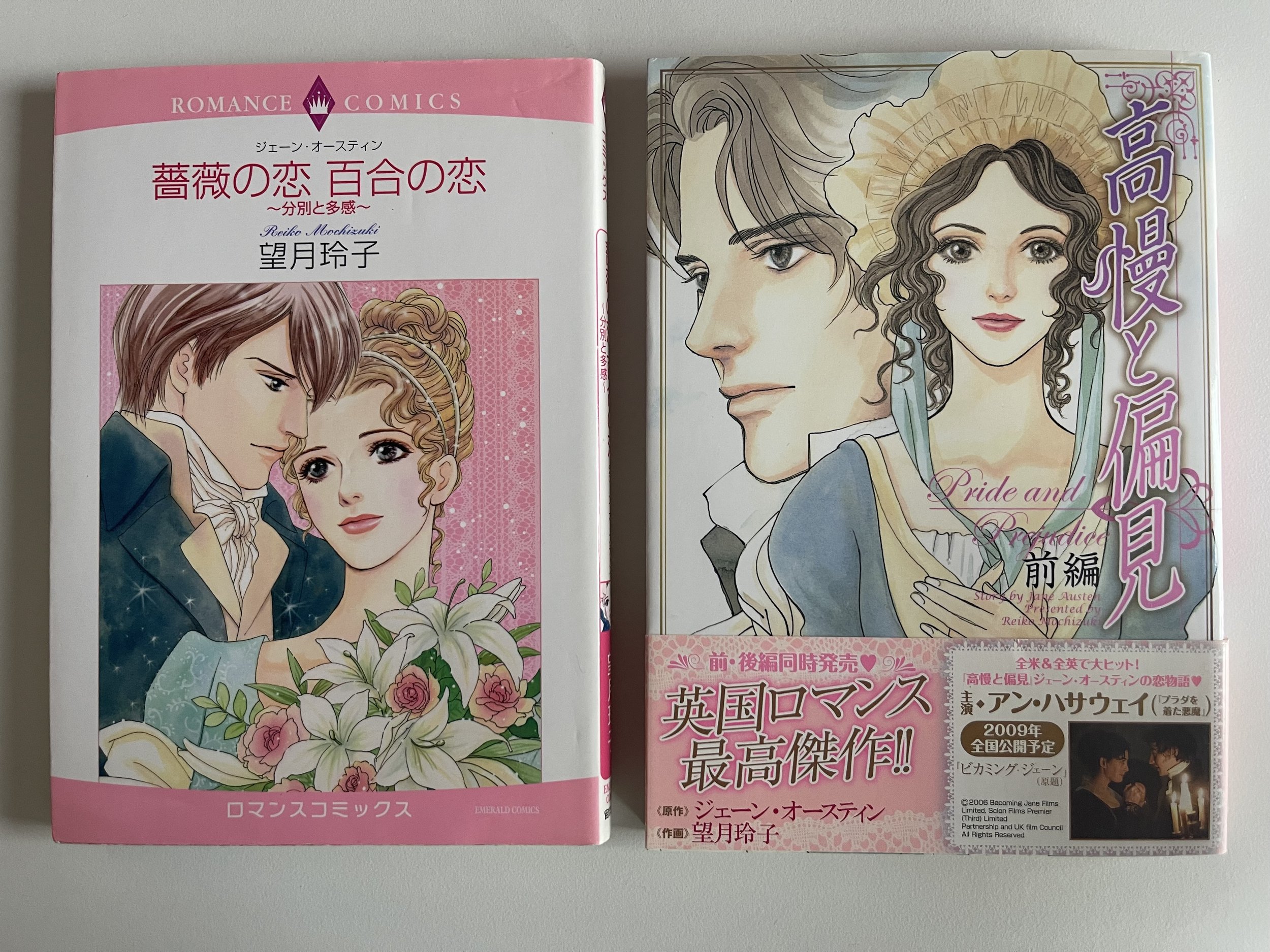
What happens to Edward Ferrars when Austen enters the visual vocabulary of manga? What happens to Willoughby? And perhaps most strikingly, what happens to Colonel Brandon?
Mochizuki’s men become extraordinarily beautiful. They are elongated, elegant, emotionally expressive and unmistakably shaped by the aesthetic language of shōjo manga. Colonel Brandon in particular becomes something approaching a romantic ideal, a gentleman rendered through visual conventions that Japanese readers already associate with desirable male characters. I had thought about that transformation before, but largely in relation to Marianne and to the manga’s emphasis on romance.
Now I find myself wondering about it differently.
What kind of masculinity is the manga constructing? And what happens when Austen’s model of the gentleman encounters the visual traditions of shōjo manga, where idealized male beauty, vulnerability, emotional intensity, refinement and even androgyny have long provided alternatives to more conventionally hypermasculine forms?
Suddenly, the adaptation looks different to me. That is perhaps what I enjoyed most about the afternoon. It gave me a new question about something I thought I already knew.
It was also simply lovely to find myself back in an Austen community again. I enjoyed meeting members of JASNA-NYM, including those involved in organizing the region and its book club and being reminded of the particular kind of pleasure that comes from being surrounded by people who genuinely enjoy talking about Austen. Perhaps that is why Austen survives so well. Not only across centuries, but across media, national borders, languages, generations and even the changing directions of our own scholarly lives.
You leave her for a while.
Then somehow, she finds you again.
[日本語版]
「紳士であれ淑女であれ、良い小説を読んで楽しめない人は、よほど愚かな人に違いない。」
—ジェイン・オースティン「ノーサンガー・アビー」(筆者訳)
ちなみに、これをギャル語風に超意訳すると…
「てかさぁ、紳士でも淑女でも、いい小説読んで楽しめないとか、超ヤバくない? マジでありえないんだけど」(なかなかオースティンのギャル版面白いかも、ウフ)
先週末、初めて北米ジェイン・オースティン協会ニューヨーク都市圏支部(JASNA-NYM)の例会に参加しました。実をいうと、この会に参加することで、これほど懐かしい気持ちになるとは思っていませんでした。かつて、ジェイン・オースティンは今よりもずっと大きな存在として、私の研究生活のなかにありました。
二つ目の修士号を取得していた頃、私はジェイン・オースティン研究者のバーバラ・ケー・シーバー先生のもとで学んでいました。シーバー先生は、オースティンの作品を動物研究とも結びつけて論じている研究者です。当時、先生が取り組んでいた研究は、後に「ジェイン・オースティンと動物」として出版されることになります。
その後、アルバータ大学で学ぶためにエドモントンへ移ったときも、オースティンとの縁は続きました。現地のシャーロッキアン・コミュニティを通じてリンダと友人になり、彼女はJASNAエドモントン支部にも関わっていました。そこから、オースティンについて語ることを心から楽しむ、また別の読者コミュニティと出会うことになりました。私自身もそこで発表をしたことがあります。そのときのことは、もうずいぶん昔ですが(笑)、以前ブログにも書きました。そして何より印象に残っているのが、そのコミュニティを通じて、アルバータ大学の著名なオースティン研究者であり、JASNA創設メンバーの一人でもあるジュリエット・マクマスター先生に初めてお会いしたことです。今でも特に鮮明に覚えているのは、先生がその場でちょっとしたフェンシングの実演までしてくださったことです。あまりにも意外で、楽しくて、何年経った今でも覚えています。同時に印象的だったのは、オースティンをめぐる空間に、研究としての真剣さと、純粋な楽しさの両方が共存していたことでした。
その後、私自身の研究は別の方向へ進んでいきました。
あるいは、「別の方向へ進んだように見えた」と言ったほうが正確かもしれません。私は次第にマンガ、探偵小説、日本のポピュラー文化、そしてビデオゲームの研究に深く関わるようになり、オースティンは少しずつ背景へと退いていきました。アルバータ大学で博士論文を書いていた頃、何年も後に自分がニューヨークに住み、再びJASNAの例会に参加することになるとは想像もしていませんでした。ましてや、オースティンが、今の私の研究にとって重要になりつつある問いに、再び語りかけてくることになるとは。
今回参加したのは、JASNA-NYMが9月に開催した、ジェイン・オースティンと男性、そして男性性をテーマにした例会でした。会場はノースイースタン大学ニューヨーク校でした。当日は、マイケル・クランプ先生、スティーヴン・オロスコ、ジョージー・カスティーリャ、ジェームズ・ブレント・アイザックス、タイラー・ハミルトンが登壇しました。まずクランプ先生が、「ジェイン・オースティンは、現代の男性性について考えるうえでどのような手がかりを与えてくれるのか」という題で講演を行い、その後、オロスコによる『エマ』のフランク・チャーチルを取り上げた会員スポットライト講演が続きました。最後には、カスティーリャが司会を務め、アイザックスとハミルトンを迎えた「ジェイン・オースティンは男性のためにもある ー オースティン・ファンダムにおける男性クリエイターたち」というパネルディスカッションが行われました。
そもそも今回の会に参加することになったのは、マイケル・クランプ先生のおかげです。
この夏、偶然にも私たちはほぼ同じ時期に日本に滞在していました。残念ながらお互いのスケジュールが合わず、日本で直接お会いすることはできなかったのですが、私がニューヨークに戻ってからズームでお話しする機会がありました。クランプ先生はオースティンと男性性について多くの研究を発表しており、今回の講演で特に印象に残ったのが、現代における「男性性の危機」という考え方の扱いでした。男性性というものを、もともと固定された何かが突然現代になって危機に陥った、と捉えるのではなく、先生の講演では、そうした不安そのものが長い歴史をもっていることが示されました。男性性が脅かされている、弱体化している、不安定になっている、あるいは「危機」に瀕しているといった言説は、さまざまな歴史的時代に繰り返し現れています。講演では1790年代にまで遡り、エドマンド・バークのような人物にも触れながら、この種の不安は決して現代特有のものではないことが示されました。
この歴史的な視点が重要なのは、「男性性」そのものが普遍的でも自然なものでもないからです。また、家父長制的な構造が男性に特権を与えるからといって、すべての男性個人がその構造を自由や恩恵として経験するとは限りません。男性は強くあるべき、感情を抑えるべき、自立しているべき、権威をもつべき、弱さを見せるべきではない、といった期待そのものが、ときには男性自身を縛るものにもなり得ます。つまり、クランプ先生は、オースティンの作品が現代の男性性をめぐる不安に対して、何らかの完成された「答え」を与えてくれると主張していたわけではありません。むしろ、オースティンの作品は、そうした前提そのものを問い直すための空間を提供してくれるのではないか。そこに描かれる男性性は、ひとつの固定されたカテゴリーとしてではなく、さまざまな男性登場人物の美徳、脆さ、失敗、欲望、人間関係を通して現れます。
そのことによって、異なる歴史的時代に「男性であること」が何を意味してきたのかを、より丁寧に考えることができるのです。午後の後半に行われた最後のパネルディスカッションでは、こうした問いが別の方向へと広がっていきました。
そのなかで、パネリストたちに、一見すると単純そうでいて、実は奥の深い問いが投げかけられました。
ジェイン・オースティンの作品において、「良い男性」とはどのような男性なのか…
そこで挙げられたのは、誠実さ、ありのままの自分であること、人間らしさ、そして感情に対して開かれていること、といった性質でした。また、オースティン作品に登場する男性たちのなかに、完全にわかりやすい「悪役」を見つけることは、意外と難しいのではないか、という話にもなりました。もちろん、彼女の男性登場人物は問題のある行動をします。利己的だったり、虚栄心が強かったり、愚かだったり、欺瞞的だったり、感情的に混乱していたり、単純に間違った判断をしたりもします。けれども同時に、彼らは非常に人間らしい存在でもあります。
そこから自然と、もう一つの大きな問いが生まれました。
なぜオースティンの作品は、今の男性読者や男性クリエイターにも響くのか。そして彼女の作品は、現代の男性性をめぐる議論に何をもたらすことができるのか。そこで出てきたキーワードのひとつが、「脆さ」でした。オースティンの男性登場人物たちは、常に傷つかず、揺るがず、いわゆる「男らしく」あり続ける必要はありません。
深く感じることもあれば、間違えることも、恥ずかしい思いをすることも、他者を誤解することもあります。苦しんだり、考えを変えたり、そして時には泣いたりもします。
男性登場人物に、単純ではない複雑な感情をもつことが許されている。
そこには、何か大切なものがあるように思います。
また、このパネルを聞きながら、私は自分がこれまで当然だと思っていたことについて考え直すことになりました。オースティンは誰にでも開かれているのだから、性別は関係ないのではないか。小説を楽しめるなら、それでいいのではないか。私はそう思っていました。けれどもそれは、「そもそも誰がオースティンの本を手に取るよう勧められているのか」という、より現実的な問いには答えていません。
10代の男の子たちは、普段どのようなものを読むのでしょうか。
あるいは、どのようなものを読むよう勧められているのでしょうか。スーパーヒーロー・コミックかもしれません。マーベルかもしれません。最近なら、マンガやグラフィックノベルかもしれません。おそらく最初から「分別と多感」を手に取る子は、それほど多くないでしょう…
では、どうすればオースティンの作品をそうした読者に届けることができるのか。
これは、私自身がパネリストの皆さんに投げかけた質問でもありました。そこで挙げられた可能性として、グラフィックノベルや翻案作品、推薦図書リスト、学校のカリキュラム、リテラシー・プログラム、歴史小説などがありました。そして、このあたりから、午後の議論が思いがけず私自身の研究へと折り返してきたのです。10年以上前、私は「パースウェイジョンズ・オンライン」に、「ジェイン・オースティンを翻訳する望月玲子版「分別と多感」における姉妹関係とロマンス」という論文を発表しました。
その論文では、望月玲子による「分別と多感」のマンガ版が、日本のマンガにおける視覚表現や物語表現の慣習をどのように用いてオースティンを翻案しているのか、とりわけ姉妹関係とロマンスに注目して論じました。当時、私が主に注目していたのは女性登場人物でした。特にダッシュウッド姉妹に関心があり、姉妹関係が異なる文化的文脈のなかでどのように翻訳されるのか、そして少女マンガ的な表現慣習によってロマンスがどのように強調され、オースティン作品のフェミニズム的な含意がどのように変化するのかを考えていました。
ところが今回、男性と男性性をめぐる議論を聞いているうちに、突然、私は男性登場人物のことを考え始めました。頭のなかで、望月版のページをぱらぱらとめくり始めたのです…
オースティンがマンガという視覚言語のなかに入ったとき、エドワード・フェラーズはどう変わるのか。ウィロビーはどうなるのか。そして、おそらく最も印象的なのが、ブランドン大佐です。望月版に登場する男性たちは、とにかく美しい。身体はすらりと長く、エレガントで、感情表現も豊かです。そしてその姿は、明らかに少女マンガの美的言語によって形づくられています。特にブランドン大佐は、ほとんど理想的なロマンティック・ヒーローへと変容しています。
つまり、日本の読者がすでに「魅力的な男性キャラクター」と結びつけて理解してきた視覚的な慣習を通して描かれる「紳士」なのです。私は以前からこの変容について考えていました。ただし、主にマリアンヌとの関係や、マンガ版でロマンスが強調されていることとの関連で見ていました。
でも今は、少し違う問い方をしてみたいと思っています。このマンガは、どのような「男性性」を作り出しているのだろうか。そして、オースティンの描く「紳士」という男性像が、少女マンガの視覚的伝統と出会うとき、何が起こるのでしょうか。少女マンガには、理想化された男性の美しさ、脆さ、感情の激しさ、洗練、さらには中性的な美しさなど、より伝統的な「超男性的」な男性像とは異なる男性性を表現してきた長い歴史があります。
そう考えると、同じ翻案作品が突然違って見えてきます…
おそらく、今回の午後で私が最も面白いと思ったのは、その点でした。すでに知っていると思っていたものについて、また新しい問いをもらったのです。そして何より、久しぶりにオースティンを愛するコミュニティのなかに戻ってこられたこと自体が、本当に嬉しいことでした。JASNA-NYMのメンバーの皆さんや、支部の運営やブッククラブに関わっている方々ともお話しすることができ、オースティンについて語ることそのものを心から楽しむ人たちに囲まれる、あの独特の楽しさを改めて思い出しました。だからこそ、オースティンの作品はこれほど長く読み継がれているのかもしれません。
時代やメディアを越え、
国境や言語を越えて、
世代をまたぎながら…
たとえ私たち自身の研究の方向が変わっていったとしても。
しばらく彼女から離れていても、気がつけば、また彼女のほうから私たちの前に現れるのです。